
Reviewed · KATSKHI PILLAR TOURS
Chiatura. Soviet Past in the present. + Katskhi pillar
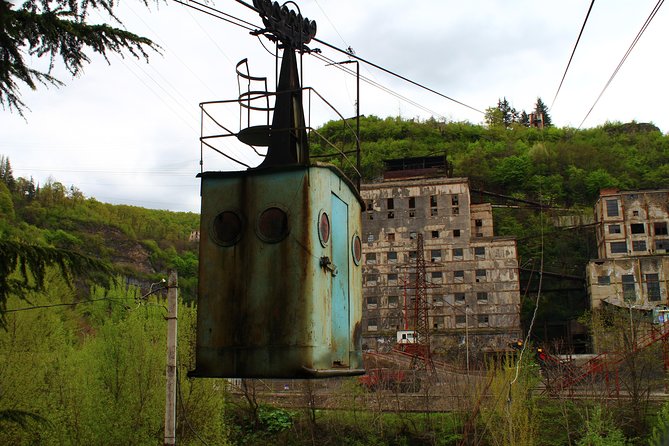
Chiatura’s old Soviet cable cars are the hook here. Set among steep Georgian hills, this former mining town still shows the marks of its industrial past, from aging transport systems to factory ruins. Add the 40-meter Katskhi Pillar and a cliffside monastery, and you get a day far removed from Tbilisi’s usual sightseeing circuit.
I like the private format, which gives you room to ask about Georgia’s mining history and daily life. I also like the mix of hard-edged industry, mountain scenery, and medieval stonework. The main catch is the long day, and you should expect a modestly physical outing with lunch not included.
Key points before you book
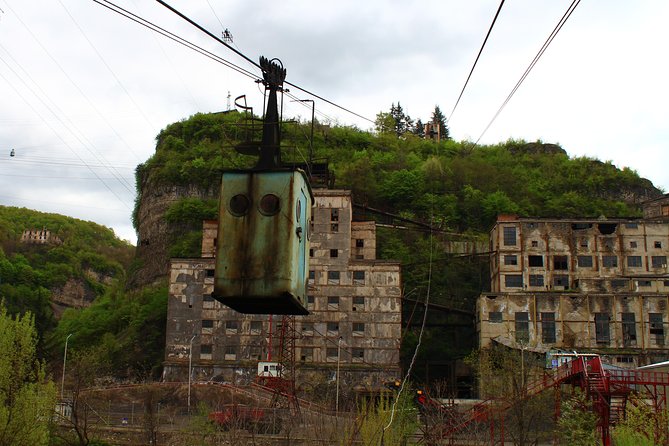
- Soviet cable cars in Chiatura: See the old aerial transport system linked to the town’s magnesium-mining past, though you should not assume every car is operating or open for rides.
- Private English-speaking guide: David and Irakli are named guides associated with the experience, and the private setup allows the day to follow your interests.
- Katskhi Pillar: Stop at a striking 40-meter limestone monolith topped by a monastery.
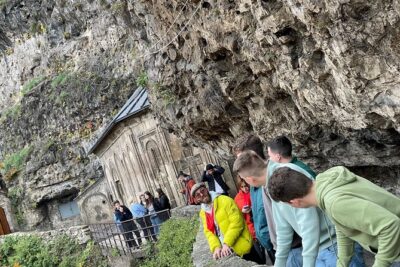
- Mgvimevi Monastery: Walk up steps and through a tunnel to reach this 13th-century site with carvings and frescoes.
- Comfortable road transport: Hotel pickup, an air-conditioned vehicle, WiFi, bottled water, snacks, and private transfers are included.
- Allow a full day: The trip takes about 8 to 10 hours from Tbilisi, with roughly 2 hours in Chiatura, 30 minutes at Katskhi Pillar, and 20 minutes at Mgvimevi.
Why Chiatura makes such a memorable day trip
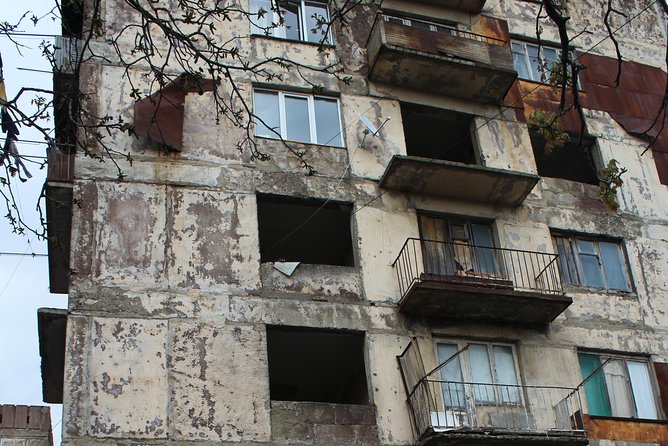
Chiatura is not polished for sightseeing, and that is precisely the point. It is a working town shaped by mining, steep slopes, Soviet planning, and an unusual network of cable cars that once helped people move across the valley.
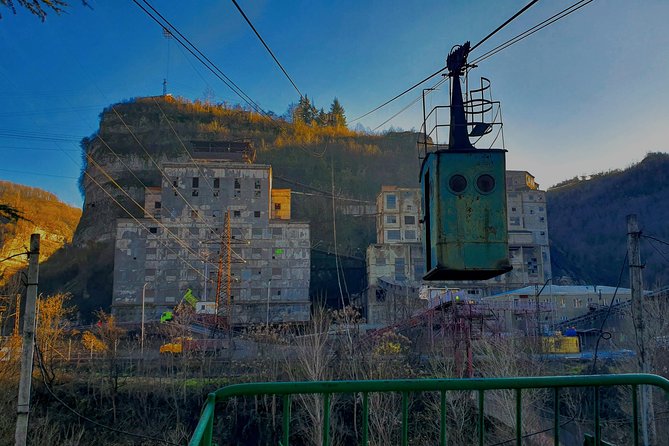
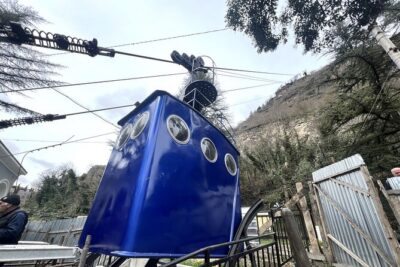
The town’s cable cars were built to connect steep parts of Chiatura and serve the mining community. Their old cabins and stations have become some of the clearest reminders of the Soviet period in Georgia. The provided tour information says some cable cars are operating for magnesium miners, while the experience also focuses on abandoned parts of the system. Conditions can vary, so treat the cable cars as a sight to examine rather than a guaranteed ride.
I like this distinction because it keeps expectations realistic. You are not buying a theme-park version of Soviet history. You are visiting a real town where industrial relics sit beside ordinary life, trees, hills, and roads.
The two-hour Chiatura stop gives you time to look at the old transport system, see factory remains, and take in the surrounding views. Bring a camera, but also give yourself time to watch how the town fits together. The appeal is less about one perfect monument and more about the contrast between heavy industry and beautiful Georgian scenery.
more katskhi pillar stops
- Soviet past – Private day tour to Chiatura, Katskhi pillar and Chronicles
★ 5.0 · 29 reviews - Soviet Story – Private day trip to Chiatura, Stalin’s museum and Katskhi pillar
★ 4.5 · 15 reviews - Chiatura and Katskhi Pillar One Day Urbex Tour
★ 5.0 · 14 reviews
The private guide changes the tone of the visit
This is a private tour, so only your group takes part. That matters in a place like Chiatura, where questions may be more interesting than a fixed script. You can ask about the town’s mining past, the Soviet period, and present-day Georgia without trying to catch a guide’s explanation from the back of a large group.
David is named as one of the guides, and Irakli is another. The experience is offered in English. A good part of the appeal is the chance to talk about Georgian life as well as monuments, especially if you want context rather than a quick photo stop.
The private format also helps if your interests are specific. You might want more time around the cable cars, more explanation at the monasteries, or a slower pace for photographs. The supplied details say the guide reaches out after booking and can accommodate interests, which is useful for a day built around unusual sights rather than standard city attractions.
The downside is simple: a private tour costs more than joining a large group. At $150 per person, the value depends on your group size and how much you care about personal attention. For one person, it is a significant day-trip price. For a couple or small group, the private vehicle, guide, pickup, and flexibility make the cost easier to justify. Group discounts may also be available.
Chiatura’s cable cars and mining past
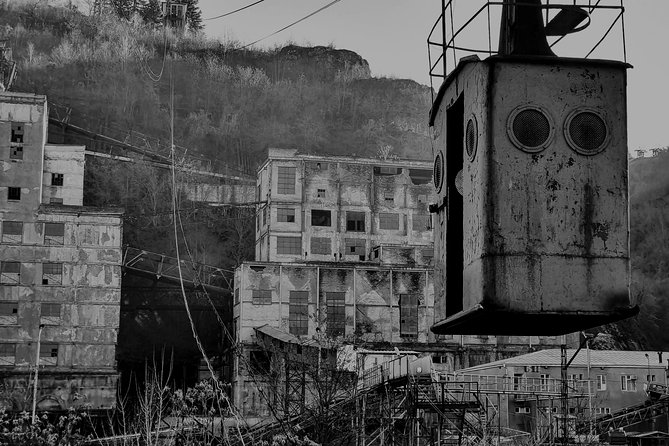
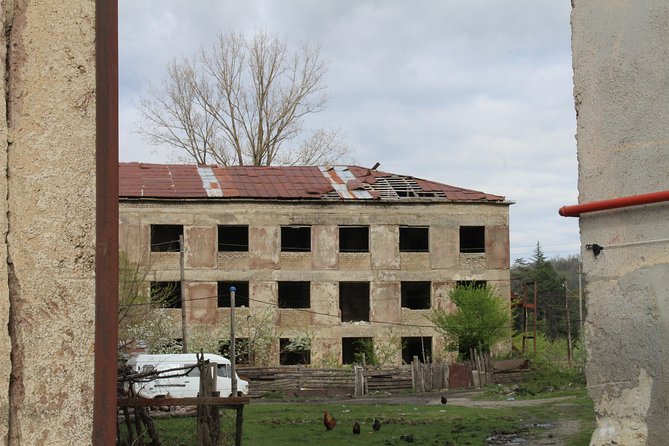
The Chiatura stop lasts about two hours, making it the heart of the day. You will see Soviet-era cable cars associated with the town’s magnesium mines, along with old factories and the surrounding hills.
These cable cars are not just decorative objects. They point to the way Soviet planners tried to solve a practical problem: how to move workers through a steep valley and connect mining areas with the town. Their presence gives Chiatura a character you will not find in Tbilisi or in Georgia’s more polished historic towns.
Some of the system may appear abandoned, while other parts have been used by miners. That uncertain condition is part of the experience, but it also means you should not expect a restored museum display. You may find worn stations, aging cabins, and industrial remains rather than tidy exhibits with signs explaining every detail.
I would wear sturdy shoes and keep your camera ready. The tour requires a moderate level of physical fitness, and the old industrial setting may include uneven ground or walking around historic structures. The information provided does not promise interior access to factories or a ride on the cable cars, so plan to view and discuss the sites rather than count on entering every building.
The surrounding scenery softens the industrial feel. Chiatura has beautiful natural views, and the steep terrain helps explain why cable transport became so important. This is one of the day’s best contrasts: rusting infrastructure on one side, wooded slopes and open views on the other.
Katskhi Pillar, a 40-meter limestone landmark
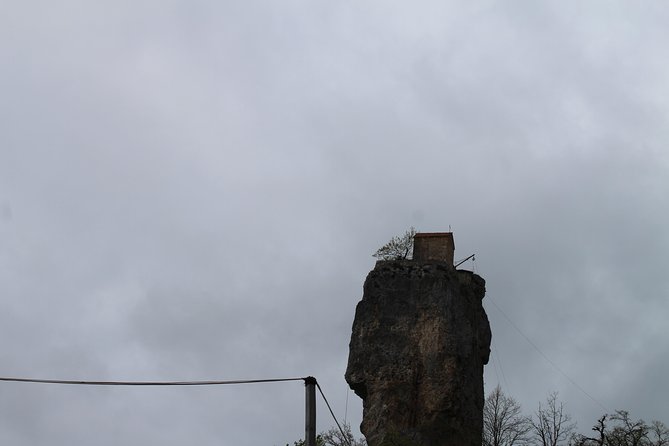
After Chiatura, the tour visits Katskhi Pillar, a natural limestone monolith rising about 40 meters. A monastery sits on top, giving the site both a dramatic shape and a strong religious presence.
You have about 30 minutes here. That is enough for a focused stop, photographs, and a look at the pillar from the designated viewing area, but it is not a long walking visit. The tour description does not say that visitors climb to the monastery, so do not book this expecting access to the top.
Katskhi works well as a break from Chiatura’s industrial theme. The first stop asks you to think about mining, workers, and Soviet infrastructure. This one shifts your attention to geology, faith, and the way Georgian religious sites often occupy striking high places.
The pillar is also a good reason to keep the tour in perspective. This is not a day devoted only to Soviet history. It is a varied trip through western Georgia, with a modern industrial town, a natural monument, and a medieval monastery all connected by private transport.
more soviet-era sites to see
- 1 Day Private Armenia: UNESCO, Soviet & Curated Family Lunch
★ 5.0 · 106 reviews - Tbilisi old town & soviet heritage – Private driver-guided Tour
★ 5.0 · 83 reviews - Armenia: 1 Day Soviet gems, UNESCO + Family lunch (Small group)
★ 5.0 · 68 reviews - Soviet Tbilisi Tour – Off the beaten path
★ 5.0 · 45 reviews
Mgvimevi Monastery and its tunnel entrance
The final listed stop is Mgvimevi Monastery, a 13th-century religious site known for stone carvings, frescoes, and its dramatic setting. You reach it by going up steps and through a tunnel.
The visit lasts about 20 minutes, so expect a short but concentrated stop. The steps and tunnel are part of what makes the approach memorable, but they also explain why moderate physical fitness is required. If you have trouble with stairs, this is worth considering before booking.
Mgvimevi adds a layer of older Georgian culture to a day otherwise anchored by Soviet-era Chiatura. The carvings and frescoes give you something to study closely, while the location provides the sense of a site built into or against the rock rather than placed on an ordinary open plot.
The short timing means you may want to decide in advance what matters most to you. If you care about religious art, ask your guide for more context. If you prefer photographs and views, use the approach and setting to your advantage. The private format should make that kind of small adjustment possible.
What the long drive means for your day
From Tbilisi, this is an 8 to 10-hour outing. That includes private road transport, the three stops, and time between them. It is not a quick side trip that fits neatly into a spare afternoon.
The benefit is that you can reach places that are difficult to combine without your own transport. Hotel pickup and drop-off remove the need to work out separate connections, and the air-conditioned vehicle matters on a full day. WiFi is also included, along with bottled water and snacks.
You can start from Tbilisi, and the provider says the tour can also begin in other cities if you wish. Confirm the exact pickup arrangement when booking, especially if you are not staying in central Tbilisi.
Lunch is not included. Plan for that gap rather than assuming the snacks make a full meal. The supplied details do not name a restaurant or promise a formal lunch stop, so ask about food arrangements if meals are important to you.
The long duration is the chief practical drawback. You will spend a fair amount of time on the road, and the mountain and industrial stops may not suit someone who wants a relaxed day with minimal walking. On the other hand, the private vehicle gives you a more direct way to reach Chiatura than trying to piece together public transport.
How the $150 price holds up
At $150 per person, this is not the cheapest way to spend a day in Georgia. The real question is what that price includes and how many people share the experience.
You receive an English-speaking guide, private transportation, an air-conditioned vehicle, hotel pickup and drop-off, WiFi on board, snacks, bottled water, and all fees and taxes. Those inclusions reduce the number of small costs and decisions you need to handle yourself.
The price makes the most sense for people who value a private conversation and a tailored route. If you are traveling with a partner, family, or small group, the cost may compare well with arranging a private car and guide separately. Group discounts may help as well.
For a solo visitor on a tight budget, the price is harder to defend. You are paying for access, comfort, and time rather than expensive entrance tickets, since the listed stops have no admission charge. The value comes from getting to remote places with someone who can explain what you are seeing.
I would also compare the price with your own confidence on Georgian roads. If you would rather not manage a long drive, route planning, or pickup arrangements, the private service offers practical value. If you are comfortable arranging transport and have plenty of time, a cheaper independent plan may be possible, though it may require more effort.
Who should book this experience
I would choose this tour if you want a less familiar side of Georgia. It suits people who enjoy industrial history, unusual transport systems, religious sites, and scenic road trips more than a standard list of famous attractions.
It is also a good fit if you like asking questions. The private format and the examples of David and Irakli suggest that conversation is an important part of the day. You can use that time to ask about mining, Soviet Georgia, and present-day life rather than simply moving from one photo stop to the next.
Photographers should find plenty to work with, from old cable cars and factory remains to the pillar and stonework at Mgvimevi. Just remember that the exact condition and access at industrial sites may vary.
You should think twice if you dislike long drives, uneven walking, stairs, or short visits. The tour does not offer a leisurely pace at every stop, and lunch is your responsibility. It is also not the right choice if you want a guaranteed cable-car ride or full access to the monastery on Katskhi Pillar.
Practical details worth knowing
Confirmation is provided at the time of booking. Pickup is offered, and the tour can begin from other cities if arranged.
Service animals are allowed, and the meeting area is near public transportation. The activity is private, with only your group participating.
You need a moderate level of physical fitness. The steps and tunnel at Mgvimevi are the clearest stated physical requirement, while walking around Chiatura’s old industrial sites may also call for sensible footwear.
Free cancellation is available if you cancel at least 24 hours before the start time. Cancellations made less than 24 hours in advance are not refunded, and late changes are not accepted.
Should you book Chiatura and Katskhi Pillar?
Book it if you want a full, unusual day that links Soviet mining history with Georgian religious and natural sites. The combination is the main strength. Chiatura gives the tour its edge, while Katskhi Pillar and Mgvimevi keep the day varied.
The private guide is especially useful here. David or Irakli can provide the conversation and background that turn old cable cars and factory ruins into something more meaningful. At $150 per person, the tour is best value for couples and small groups who want comfort and personal attention.
Skip it if your priority is a cheap day trip, a guaranteed cable-car ride, or a slow schedule with a long lunch. For everyone else, this is a strong choice for seeing a part of Georgia that most short visits leave out.
FAQ
Where does the tour start?
The tour starts in Tbilisi with pickup offered. It can also begin in other cities if arranged with the provider.
How long does the experience take?
The full tour takes about 8 to 10 hours.
Is this a private tour?
Yes. Only your group participates in the activity.
Is the tour offered in English?
Yes. The tour is offered in English.
How much does the tour cost?
The listed price is $150 per person. Group discounts may be available.
What is included in the price?
All fees and taxes, private transportation, an air-conditioned vehicle, WiFi on board, snacks, bottled water, and hotel pickup and drop-off are included.
Is lunch included?
No. Lunch is not included.
Can I ride the cable cars in Chiatura?
A cable-car ride is not guaranteed. The tour focuses on Soviet-era cable cars, some associated with magnesium miners, while other parts of the system are described as abandoned.
How much walking is involved?
A moderate level of physical fitness is required. At Mgvimevi Monastery, you go up steps and through a tunnel.
Can I cancel for a full refund?
Yes, if you cancel at least 24 hours before the experience starts. Cancellations made less than 24 hours before the start time are not refunded.
Recently added around Tbilisi
- 2-Day Private Wine Tour to Kakheti from Tbilisi★ 5.0 · 3 reviews
- Kakheti wine region – Private Tour★ 5.0 · 3 reviews
- 17 Day Private Tour through Georgia★ 5.0 · 3 reviews
- Tbilisi and Mtskheta cities private, cultural tour★ 5.0 · 3 reviews
- Kakheti With Top Destinations★ 5.0 · 3 reviews
- Tbilisi City Tour with Street Photography★ 5.0 · 3 reviews
- Jvari monastery & Mtskheta – Half day group tour from Tbilisi★ 5.0 · 3 reviews
- Tbilisi City, Jvari Monastery, Uplistsikhe caves, Mtskheta city Private Day Trip★ 4.5 · 3 reviews
Katskhi Pillar Tours, compared.
Chiatura Tour with Katskhi Pillar & Cable Car Experience
Read our review →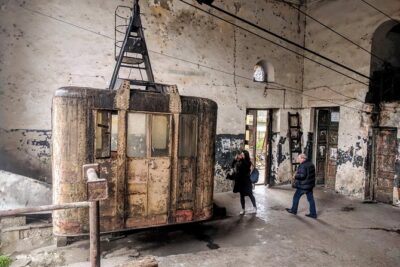
Soviet past – Private day tour to Chiatura, Katskhi pillar and Chronicles
Read our review →
Soviet Story – Private day trip to Chiatura, Stalin’s museum and Katskhi pillar
Read our review →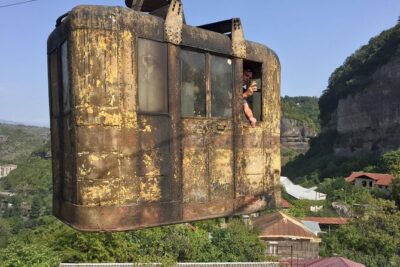
Browse the lists this tour appears in