
Reviewed · TBILISI TOURS
3 Day Tusheti Tour Explore Unspoiled Wilderness
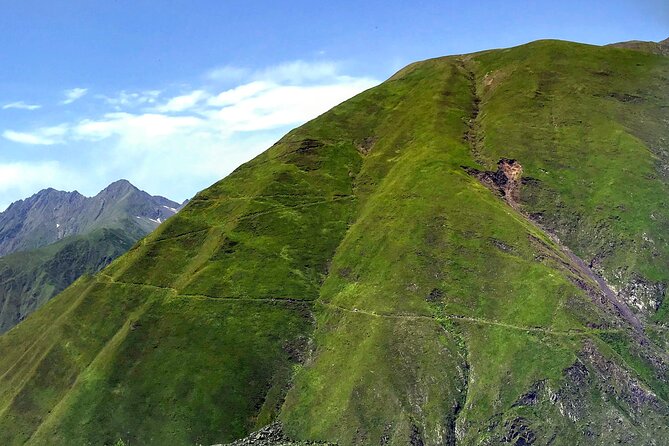
The wildest part of this Georgian adventure is not a single village or viewpoint. It is the 93-kilometre mountain road to Tusheti, where a Mitsubishi Delica crawls over the 2,826-metre Abano Pass and along steep slopes above the valleys. You get high mountains, stone towers, shepherds, and remote villages in one compact three-day trip.
I like two things especially: the small maximum group of six, which keeps the rough-road journey manageable, and the local guesthouse stay, where home-cooked meals replace polished hotel service. Guides such as Koba, Jonah, Gocha, and Vepkho have been praised for calm driving, useful stories, and stopping for photos when the view deserves it.
The catch is simple: Tusheti is remote, demanding, and weather-dependent. You may spend long hours in a bouncing vehicle, with weak phone service, limited electricity, rustic facilities, and no card payments. This is not a gentle sightseeing weekend.
Key points to know before booking
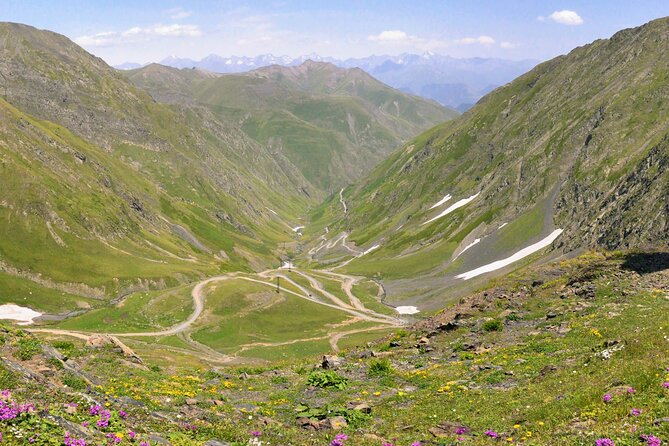
- Abano Pass is the main event: The high mountain crossing offers sweeping views, sheep herds, and a real sense of entering remote Georgia.
- The road takes about seven hours: Day 1 is heavily devoted to the drive, with rough surfaces, sharp bends, and possible delays.
- You visit four important Tushetian villages: Dartlo, Diklo, Shenako, and Omalo each show a different side of local architecture and mountain life.
- The stay is in a traditional Omalo guesthouse: Clean rooms, private bathrooms, dinner, and breakfast are included, but comfort remains basic.
- The group is limited to six people: That matters on narrow roads and gives the guide more room to adjust stops.
- The season is short: The tour generally runs from June through September, when the pass is open.
Why Tusheti is worth the rough road
Tusheti feels far removed from the rest of Georgia. The region sits high in the Caucasus, with settlements spread across steep valleys and ridges. Stone towers, slate churches, grazing animals, and old defensive villages give the area a character you will not find on a standard Georgian city tour.
The road is the price of admission. It begins near Alvani and climbs toward Abano Pass, reaching roughly 2,850 metres. Snow can remain on the upper slopes in summer, and the route is normally closed from late autumn through spring. The drive is considered one of the most difficult in Georgia, but it is also the reason the region remains so quiet and lightly developed.
I would not choose this trip simply to tick Tusheti off a list. Choose it because you want the journey itself: changing scenery, weather that can turn quickly, and a road where a good driver makes a real difference. The guides named by the operator include Koba, Jonah, Gocha, Gotcha, Vepkho, and Davit. The strongest praise has gone to the team’s careful driving and the guides’ ability to keep nervous passengers relaxed.
The small group limit helps. Six people or fewer means less crowding inside the Delica and more flexibility for photo stops. It also makes the guesthouse arrangement more personal, though you should still expect shared-tour compromises.
more days out of Tbilisi to compare
- Borjomi National Park Full Day Private Tour From Tbilisi
★ 5.0 · 14 reviews - Mtirala National Park Tour
★ 5.0 · 17 reviews - Private Hiking Tour to Machakhela National Park from Batumi
★ 5.0 · 11 reviews
Day 1: From Gombori Pass to Omalo
The tour leaves Tbilisi at 7:00 in the morning. Pickup is available, but you need to give complete contact details, including an email address or WhatsApp number, when arranging it.
The first stop is Gombori Pass, the scenic route between Tbilisi and Telavi. The road climbs from drier country into greener forest, with viewpoints over the Alazani Valley. You have about 30 minutes here, enough to stretch your legs, take photographs, and get your first taste of Georgia’s mountain roads.
The pass also has historical importance. It once served as a route on the Silk Road, and the 17th-century Gombori Fortress is listed as a place you can visit. With only half an hour, do not expect a long exploration. Think of this as a useful opening stop before the serious driving begins.
Next comes Alaverdi St. George Cathedral, about 50 minutes from the schedule. Founded in the sixth century, the monastery is known for its tall 11th-century cathedral, frescoes, carved details, manuscripts, and icons. It sits in the fertile Alazani Valley, with views toward the Caucasus.
This stop adds cultural weight to a trip otherwise dominated by mountains. Dress and behave respectfully at the religious site, and remember that a short visit gives you an overview rather than time for a slow architectural study.
After Alaverdi, the road changes dramatically. The drive toward Tusheti and Abano Pass takes around seven hours, depending on weather, road conditions, and delays. Expect sharp turns, rough sections, steep drops, and frequent reasons to pause for views.
This is where your driver matters most. The tour uses a Mitsubishi Delica, chosen for its ability to handle the terrain rather than for luxury. Previous participants have singled out drivers such as Gocha and Vepkho for smooth, confident handling and for stopping when the scenery was especially good. You should still take motion-sickness medication if you are prone to nausea.
The Abano Pass crossing gets its own 45-minute stop. At around 2,826 to 2,850 metres, it is the highest motorable pass in Georgia. You may see snow on the surrounding peaks even during summer, along with sheep being moved by local shepherds. The pass is exposed and weather can change suddenly, so carry warm clothing even if Tbilisi is hot when you leave.
The final destination is Omalo, where you spend the night in a traditional guesthouse. The name appears in the tour material with a minor spelling variation, but the intended destination is Omalo, the main settlement used for exploring Tusheti.
The accommodation is described as simple but comfortable, with clean rooms and private bathrooms. Breakfast and dinner for two nights are included, and the hosts prepare Georgian food using local produce. The hospitality is a major part of the experience. You may also be able to arrange horse riding or other outdoor activities, but horse riding costs extra.
Do not expect reliable modern conveniences. Electricity and running water are limited in Tusheti, and the comfort level may be lower than you are used to. That is not a flaw so much as a condition of reaching a place this remote. Still, it is better to know before you arrive.
Day 2: Stone towers and quiet villages
Day 2 brings the most time on foot, although the tour still uses the vehicle between settlements. A moderate level of fitness is recommended, and you should be comfortable walking on uneven ground.
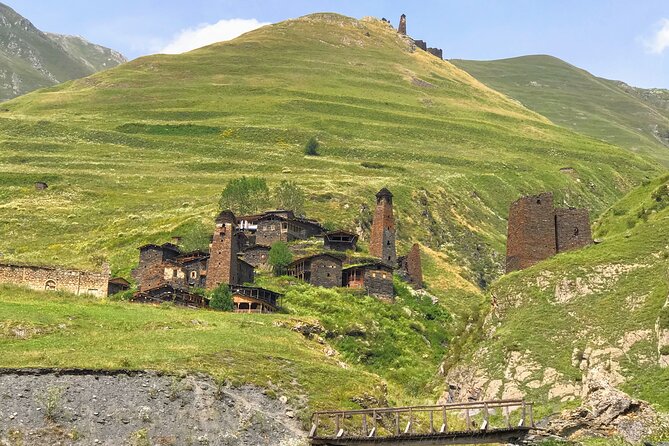
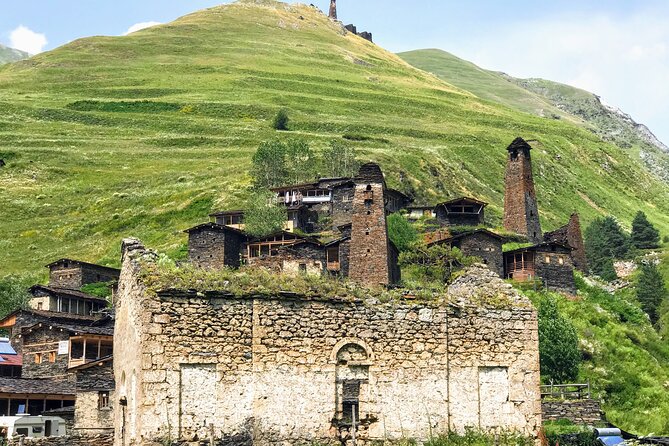
Dartlo receives about four hours, making it the fullest village visit. Its traditional stone houses, narrow lanes, and mountain setting show Tusheti at its most visually distinctive. The village includes both Christian and older pagan religious sites.
You can see the 19th-century Dartlo Church and the late medieval Nachauridzes family tower. The Iakhsari Icon Complex on the slope of Dartlo Mountain is tied to a pagan deity and includes several structures, including a hall, sacristy, flag tower, and women’s area. The mix of faiths and building types gives you a clearer picture of how Tushetian communities were organized.
Four hours is valuable here because Dartlo is not a single viewpoint. You have time to walk, look closely at the towers, take photographs, and pause for the setting. If weather or road delays have affected the schedule, this may be one of the stops most likely to be shortened.
Diklo is a quieter visit of about one hour. Its fortress ruins overlook the village, while old shepherd shelters hint at the seasonal nature of mountain life. The difficult climate means Diklo is depopulated during winter, leaving a particularly calm atmosphere during the open season.
The limited time makes this more of a brief village and fortress stop than a long hike. You will appreciate it most if you enjoy abandoned sites, open views, and places without much commercial development.
The final village is Shenako, with roughly two hours. Its Tushetian house towers were built from black flat stones and wood during the Middle Ages. Lower floors were used for animals, while upper levels provided living space and protection from intruders.
St. George’s Church is the village’s main landmark. Built in the 19th century from slate and limestone, it has a whitewashed exterior, an octagonal metal-covered dome, narrow arched windows, and a small bell tower whose foundations remain. The surrounding slate shelf and mountain setting add to the sense of place.
Shenako is particularly worthwhile if you care about vernacular architecture. You are not just looking at old stone walls. The towers explain how families lived, stored animals, and defended themselves in a difficult border region.
The guide can add much to these stops. Jonah has been praised for his explanations of Tusheti’s culture and past, as well as for taking photographs. Koba is known for humor and for noticing when someone is uneasy on the high roads. Those details matter because the region offers few formal signs or visitor facilities. Much of what you understand will come through the guide.
You may also encounter local music, dancing, festivals, shepherds, or an invitation to share chacha. These moments cannot be scheduled, and you should treat them as possibilities rather than promises. Be polite around local customs, ask before photographing people, and remember that Tusheti remains a traditional place.
Day 3: Omalo’s fortress and the return journey
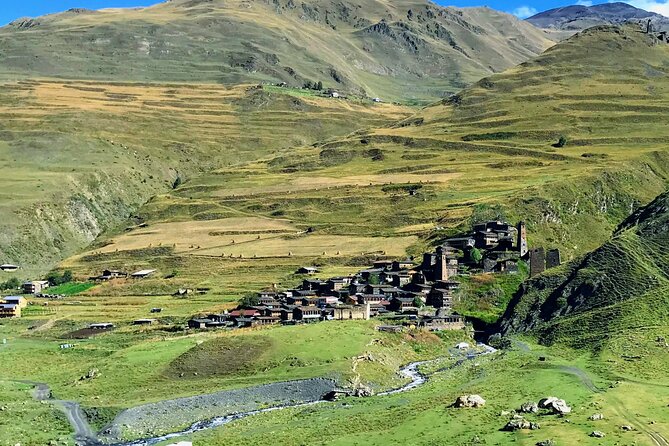
The third day begins with about two hours in Omalo. The village is known for its distinctive houses and its ethno-cultural traditions. Its historic section includes Keselo Fortress, associated with the Mongol invasion of 1230 and later defense against raids from the North Caucasus.
Parts of the fortress have been restored, while the village houses date from the 17th through 19th centuries. Omalo is small, with a listed population of only 37 people, so this is not a busy resort town. You have time to explore the historic area, take in the views, and enjoy a final look at the stone architecture before leaving.
The return to Tbilisi is scheduled for late afternoon, but the timing is not guaranteed. The road is long, and rain, fog, snow, or other delays can alter the plan. Keep your final evening in Tbilisi flexible rather than booking a tight onward connection.
The itinerary lists a very short Tbilisi stop, but the practical point is that most of Day 3 is tied to the return from the mountains. You should expect another demanding vehicle journey, not a leisurely transfer.
A different direction out of Tbilisi entirely:
- Day Trip to Kakheti Wine Region Including 9 Wine Tastings
★ 5.0 · 2,774 reviews - Highlights of Caucasus Mountains-Jinvali,Ananuri,Gudauri,Kazbegi(Group tour)
★ 5.0 · 2,682 reviews - Day Trip to Kazbegi and Gudauri
★ 5.0 · 2,009 reviews - Day Trip to Mtskheta Gori and Uplistsikhe
★ 5.0 · 1,801 reviews
What the $335 price really includes
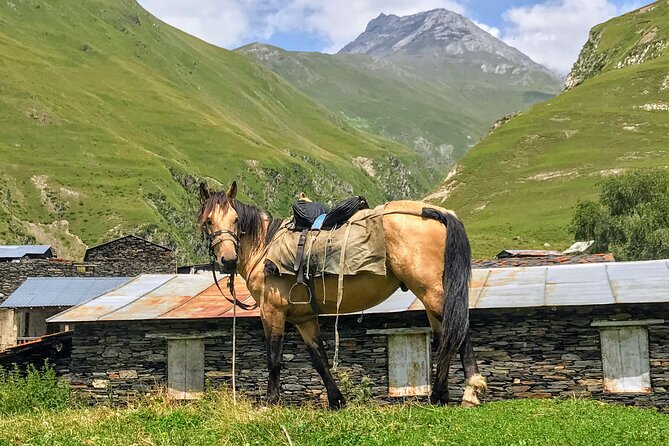
At $335 per person, the tour is fairly priced for a three-day trip into a region that requires a capable vehicle, an experienced driver, guiding, accommodation, and meals. The group limit of six improves the value because you are not packed into a large coach, and the small vehicle can handle the road to Tusheti.
Included are two breakfasts and two dinners, along with the guesthouse stay. Additional food and drinks are not included, and horse riding is optional at extra cost. If you want a private room, the supplement is $50 for the two nights.
The price shown may vary by date, season, day of the week, group size, and promotional discounts. Check the exact total for your chosen departure instead of assuming $335 applies to every booking.
I consider the tour a good buy if you want Tusheti without arranging a vehicle, driver, guide, guesthouse, and route yourself. It is less compelling if you want hotel-level comfort, a slow pace, or complete control over every stop.
Bring cash. Credit cards are not accepted in Tusheti, and limited services mean you should not rely on finding an ATM or a place to buy supplies.
Who should take this trip
You are a good match for this tour if you:
- Enjoy remote mountain villages more than polished attractions
- Can handle long hours in a 4WD vehicle
- Have moderate physical fitness
- Accept basic accommodation and limited utilities
- Like local food, family-run lodging, and unscripted encounters
- Can remain flexible when weather changes the schedule
You should think twice if you have serious motion sickness, difficulty with high altitudes, or a strong fear of steep mountain roads. Tusheti reaches between about 1,800 and 2,900 metres, and medical facilities are limited. If you have a history of altitude sickness, speak with a doctor before booking and take suitable precautions.
The region also has limited mobile coverage. Carry a backup way to communicate in an emergency, and take out travel insurance that covers the kind of remote mountain trip you are undertaking.
Packing for Tusheti’s short season
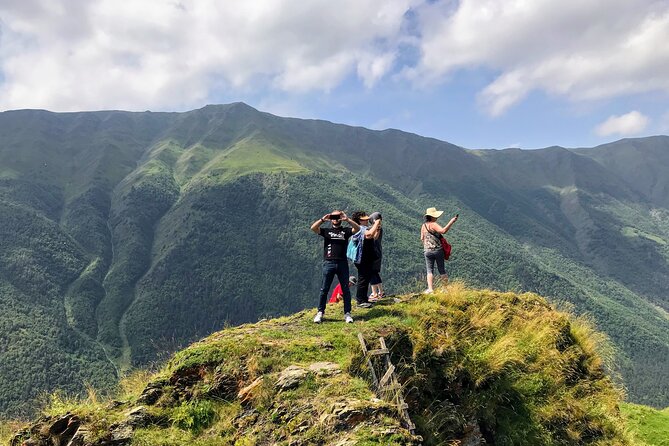
The tour generally operates from June through September, when Abano Pass is open. Even then, conditions can vary sharply. Pack warm layers, waterproof clothing, sturdy footwear, sun protection, and any medication you need for motion sickness or altitude concerns.
A small amount of cash is essential. Bring a phone power bank because access to electricity is limited, and do not count on continuous signal. Pack light enough for the Delica and guesthouse, but do not cut corners on rain protection.
Tusheti is a protected area. Carry your rubbish out, respect the villages, and avoid treating local homes, religious buildings, or people as photo props. A little care goes a long way in a place where daily life remains closely tied to land, weather, and tradition.
Should you book the 3-day Tusheti tour?
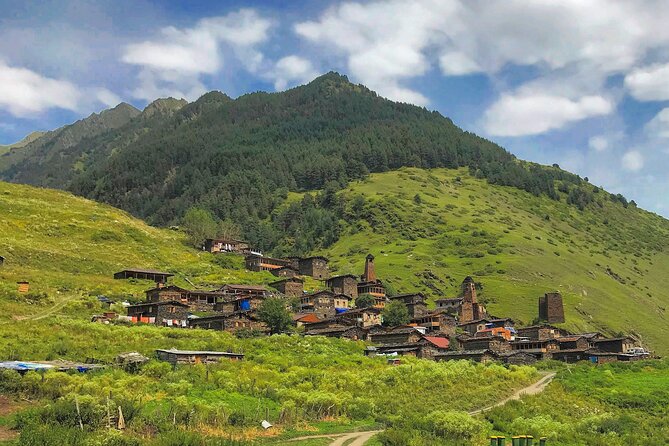
Book it if you want Georgia at its most remote and are willing to accept the road, weather, altitude, and basic facilities that come with it. The combination of Abano Pass, Dartlo’s towers, Shenako’s church, Diklo’s ruins, and Omalo’s fortress gives you a strong introduction to the region in only three days.
I would choose this tour for the small group, included meals, and local driving support. I would not choose it for luxury, dependable schedules, or easy access. Ask about the guide and driver assigned to your date, confirm the current price, bring cash and warm waterproof clothing, and leave your return evening open.
For an adventurous first visit to Tusheti, this is a sensible way to reach a difficult region without losing the personal character that makes the journey worthwhile.
FAQ
How long is the Tusheti tour?
The experience lasts approximately three days, beginning with a 7:00 am departure from Tbilisi and returning to Tbilisi in the late afternoon on Day 3.
What is included in the price?
The tour includes accommodation, two breakfasts, and two dinners. Pickup is offered, and the group has a maximum of six participants.
Is the road to Tusheti difficult?
Yes. The route includes rough mountain roads, steep sections, sharp turns, and the high Abano Pass. The journey to Tusheti takes about seven hours and can be affected by weather or delays.
When does the Tusheti tour operate?
Tusheti tours are generally available from June through September. Abano Pass is normally closed during winter because of snow.
What accommodation is provided?
You stay in a traditional guesthouse in Omalo. Rooms are described as clean and comfortable with private bathrooms, but electricity and running water can be limited. A private room costs an additional $50 for two nights.
Do I need cash in Tusheti?
Yes. Credit cards are not accepted in Tusheti, so you should bring enough cash for additional food, drinks, horse riding, and other personal expenses.
Can the itinerary change?
Yes. Weather, road conditions, and delays can change the schedule, including the return to Tbilisi. You should remain flexible and avoid arranging a tight onward connection after the tour.
Recently added around Tbilisi
- 2-Day Private Wine Tour to Kakheti from Tbilisi★ 5.0 · 3 reviews
- Kakheti wine region – Private Tour★ 5.0 · 3 reviews
- 17 Day Private Tour through Georgia★ 5.0 · 3 reviews
- Tbilisi and Mtskheta cities private, cultural tour★ 5.0 · 3 reviews
- Kakheti With Top Destinations★ 5.0 · 3 reviews
- Tbilisi City Tour with Street Photography★ 5.0 · 3 reviews
- Jvari monastery & Mtskheta – Half day group tour from Tbilisi★ 5.0 · 3 reviews
- Tbilisi City, Jvari Monastery, Uplistsikhe caves, Mtskheta city Private Day Trip★ 4.5 · 3 reviews
Tbilisi Tours, compared.
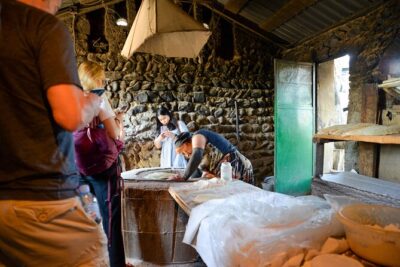
Day Trip to Kakheti Wine Region Including 9 Wine Tastings
Read our review →
Highlights of Caucasus Mountains-Jinvali,Ananuri,Gudauri,Kazbegi(Group tour)
Read our review →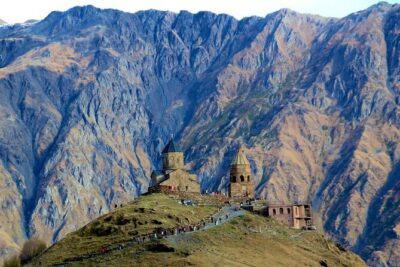
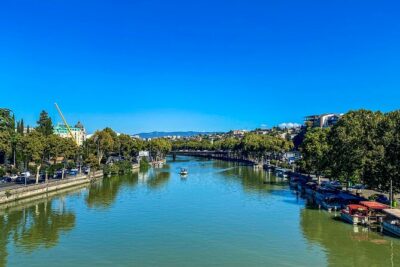
Tbilisi Walking Tour Including Cable Car and Traditional Bakery
Read our review →

Kakheti Wine Region: Signagi and Bodbe Tour with 10 Wine Tastings
Read our review →
Mtskheta,Jvari,Bazaar,wine tasting,Chronicles of Georgia
Read our review →Browse the lists this tour appears in