

Reviewed · TBILISI TOURS
Wine promenade in hospitable Tbilisi
Georgia’s wine story is the star here. In two small cellars in the heart of Old Tbilisi, you taste wines made in cone-shaped clay vessels, known as qvevri, alongside bottles made with European methods. You also get a taste of chacha, Georgia’s famously strong grape spirit.
I like the small maximum group of eight, which makes questions easy and keeps the cellar visits personal. I also like the way Valeri, Valera, or another guide from the Georgian Promenade team links the tastings with a proper walk through Tbilisi, rather than parking you at a table for three hours.
The one thing to consider is the pace. More than 10 wines, and sometimes over 15 tasting portions, plus a city walk can feel like a lot in a short afternoon. This is not a full dinner, and private transport is not included.
Key points at a glance
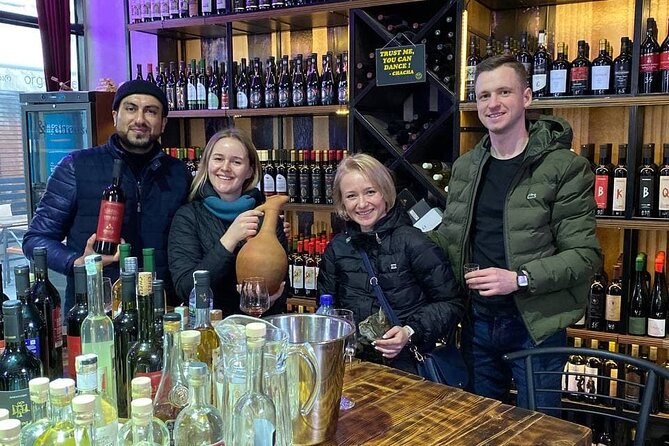
- Taste across Georgian winemaking styles: Sample qvevri wines made in the traditional Georgian way, as well as wines produced with European technology.
- Visit two central wine cellars: Both stops are in Old Tbilisi, so the tasting is combined with sightseeing on foot.
- Try more than wine: The program includes chacha, bottled water, appetizers, and a traditional Georgian dessert.
- Keep the group intimate: The maximum is eight people, a useful size for conversation and personal wine guidance.
- Choose a convenient start time: The available start time can be matched to your Tbilisi plans.
- Learn from local hosts: Valeri is closely associated with the experience, while sommeliers and cellar hosts explain the wines and Georgian customs.
Why Georgian wine makes this Tbilisi walk different
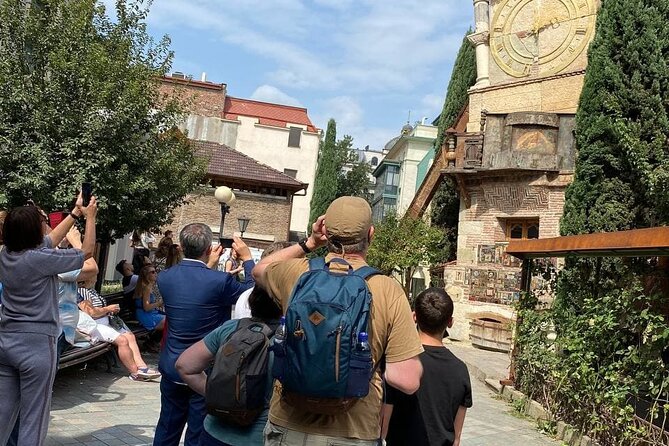
Georgia is one of the oldest wine-producing regions in the world, and this tour gives you a practical introduction without sending you out into the countryside. The tastings focus on a key contrast: wine made in qvevri, the traditional cone-shaped clay vessel, beside wine made using European production methods.
That comparison matters. Instead of hearing a long lecture about Georgian wine, you can taste how the methods differ. The clay-vessel wines connect the glass in front of you with the ancient winemaking tradition said to reach back to the Neolithic era. The European-style wines show how modern Georgian producers work within a wider international wine culture.
The tastings are described as six to eight portions at the two cellars, while the overall program includes more than 10 and potentially over 15 Georgian wines or varieties. The exact number may depend on the day and the pours available. Either way, you should expect a broad sampling rather than one or two polite sips.
I recommend eating lightly before you arrive. Appetizers and a traditional dessert are included, but this is not dinner. The food helps settle the wine and introduces you to the social side of Georgian drinking, but you should plan another meal afterward.
more wine tastings around Tbilisi
- Day Trip to Kakheti Wine Region Including 9 Wine Tastings
★ 5.0 · 2,774 reviews - Kakheti Wine Region: Signagi and Bodbe Tour with 10 Wine Tastings
★ 5.0 · 1,019 reviews - Tbilisi:Mtskheta,Jvari,Bazaar,wine tasting,Chronicles of Georgia
★ 5.0 · 730 reviews
Meeting at Freedom Square and entering Old Tbilisi
The tour begins at 2 Freedom Square, a useful central meeting point in Tbilisi. It is near public transportation, and the activity ends back at the same meeting point. You do not need a taxi between the two cellars because this is a walking tour.
Starting at Freedom Square also gives the experience a natural shape. You begin in one of the city’s main central spaces, then move into the older streets while the guide explains Tbilisi’s past, customs, and daily character. The sightseeing is not filler between drinks. It is part of the design.
The walking portion can be especially useful early in a Tbilisi visit. You get an introduction to the old city while learning where local wine fits into Georgian life. If you are arriving late from another activity, contact the operator as soon as possible. The guide has shown flexibility with delayed starts, but that should be arranged rather than assumed.
Wear comfortable shoes. The supplied information does not give a precise route or state the street conditions, but the activity takes place on foot in Old Tbilisi. A walking tour through the old center is more enjoyable when you are not thinking about sore feet.
First cellar: tasting Georgia in the traditional way
At the first wine cellar, the focus is on Georgian varieties and the country’s traditional production method. The qvevri is a cone-shaped clay vessel, usually associated with fermenting and storing wine below ground. Here, the important point is not just the vessel itself. It is the way the method shapes Georgia’s wine identity.
Your sommelier explains what you are tasting, and you can ask questions as you go. The small group helps here. With only eight people at most, you are less likely to lose your chance to ask about a grape, a flavor, or the difference between a traditional and modern bottle.
Do not expect every wine to suit your taste. Georgian wine can be a surprise if your reference point is limited to familiar European bottles. Some pours may feel unusual, especially when you compare wines made in clay with those made by more familiar cellar methods. That is the value of tasting several styles side by side.
The experience also takes personal preference into account. If you prefer dry wines, lighter pours, fuller reds, or sweeter styles, tell the guide. Valeri is described as paying attention to individual tastes, and the format allows more conversation than a large scheduled tasting.
Walking between the cellars with Valeri or Valera
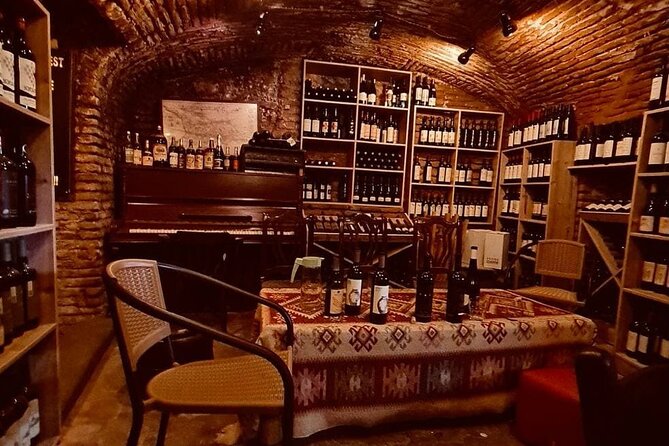
The space between tastings is where this experience becomes more than a wine flight. Your guide gives you a fuller tour of Tbilisi, with stories about the capital’s history, culture, traditions, and the Georgian people.
Valeri, also written as Valera in some descriptions, is the central guide connected with Georgian Promenade. The supplied material also names Zurab as a sommelier at one tasting. That division can work well: the guide handles the city and cultural context, while the cellar host concentrates on the wine.
The guiding style appears conversational rather than formal. You are encouraged to ask questions, and the guide is described as friendly and willing to answer them. That matters in Georgia, where a short question about wine can lead naturally to a conversation about hospitality, food, family customs, or the role of the toast at a Georgian table.
The city walk also gives you a break between alcohol tastings. It is a sensible structure, though you should still pace yourself. Six to eight pours at each stop can add up quickly, even if each serving is small. Bottled water is included, and you should use it.
A different direction out of Tbilisi entirely:
- Highlights of Caucasus Mountains-Jinvali,Ananuri,Gudauri,Kazbegi(Group tour)
★ 5.0 · 2,682 reviews - Day Trip to Kazbegi and Gudauri
★ 5.0 · 2,009 reviews - Day Trip to Mtskheta Gori and Uplistsikhe
★ 5.0 · 1,801 reviews - Tbilisi Walking Tour Including Cable Car and Traditional Bakery
★ 5.0 · 1,310 reviews
Second cellar: modern bottles, chacha, and a memorable setting
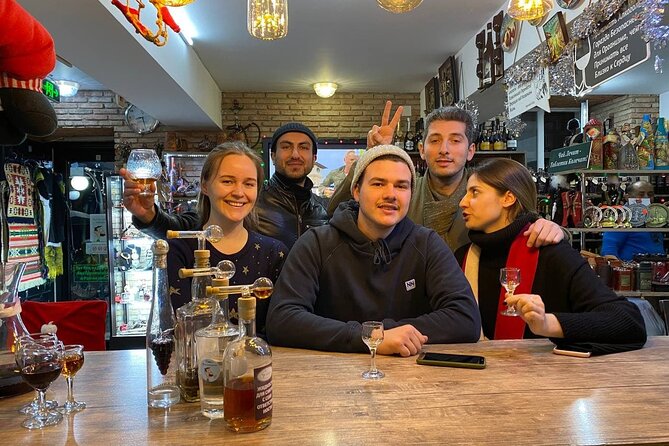
The second stop continues the tasting with more Georgian wines and a chance to compare producers and techniques. You may taste wines made in a modern European style alongside traditional examples from the first cellar.
One especially appealing detail is the chacha tasting. Chacha is a strong grape spirit, and the tour description gives it a strength of more than 50 percent. Treat it as a serious spirit, not a casual shot. A small pour is enough to understand its character.
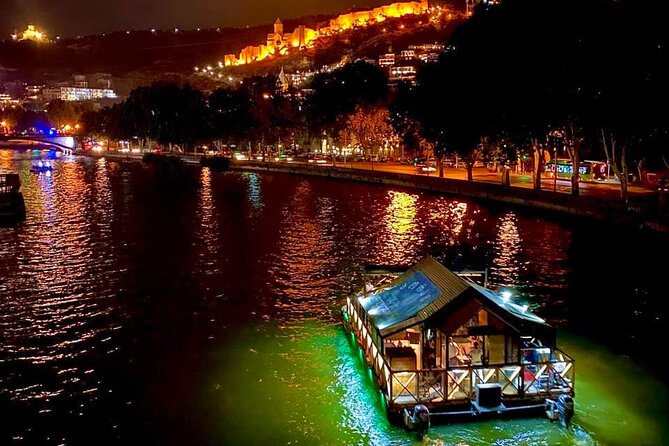
The cellar atmosphere can vary by stop, but one reported setting includes a balcony overlooking the river and the town. That makes the second visit feel distinct from a simple indoor tasting. A pleasant view, a local spirit, and a glass of Georgian wine provide a fitting pause in the old city.
Still, the exact atmosphere should not be treated as guaranteed. The experience uses two small wine establishments, and the specific room or view may depend on the day’s arrangement. The dependable part is the two-cellar format, the tasting range, and the presence of wine hosts who explain what you are drinking.
Appetizers, dessert, and the Georgian table
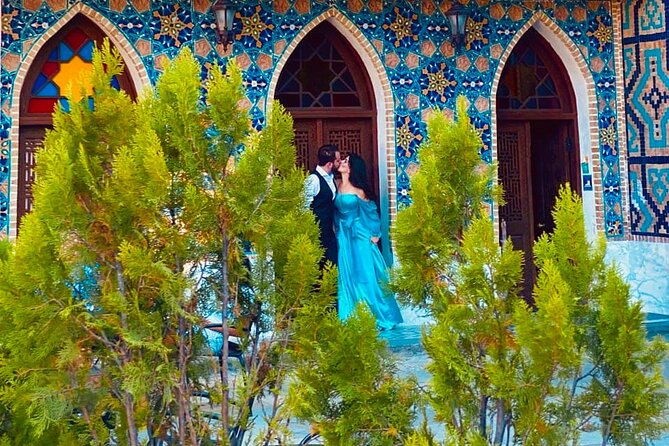
The included appetizers and traditional dessert add an important cultural layer. Georgian hospitality is closely linked with food and shared drinking, so tasting wine without any food would give you only part of the picture.
The small bites are not described as a full meal. Think of them as support for the tasting and an introduction to local flavors. The dessert gives the experience a sweeter finish after the wine and chacha.
If you are planning a special dinner, leave room for it. Dinner is specifically not included, so the tour does not replace a restaurant reservation. That is not a flaw, but it is easy to overlook when a three-hour activity includes food.
I like this arrangement because it keeps the tour focused. You are not paying for a long meal with a few token sips. You are paying for guided tasting, city orientation, and enough food to make the tasting comfortable.
What the $100 price really covers
At $100 per person, this is not the cheapest way to drink Georgian wine. The value depends on how much you want from the experience beyond the liquid in the glass.
You are paying for more than 10 wines, potentially over 15 varieties or pours, at two establishments. The price also includes alcoholic beverages, bottled water, a walking tour of Old Tbilisi, guide services, appetizers, and dessert. With a group capped at eight, the cost is easier to justify than it would be for a large, impersonal tasting.
The city tour is the key value. If you only want to sample wine, a local wine bar may cost less and let you order at your own pace. If you want a structured introduction to Georgian wine while learning your way around Tbilisi, the combined format saves you from arranging separate tastings and a separate city walk.
Private transportation is not included, but that should not create much trouble for most bookings. The meeting point is central, public transportation is nearby, and both wine cellars are in the old city. The activity begins and ends at Freedom Square, which keeps the logistics simple.
Languages, group size, and timing

German, French, and Russian-language guide services are listed. If language is important to you, confirm the available guide language and start time when booking. The information provided does not promise English-language guiding, so do not assume it without checking.
A group of up to eight is one of the strongest practical features. You can hear the sommelier, ask about a wine without interrupting a crowd, and meet the other people in your group. Several accounts describe the format as friendly and personal, with the guide feeling more like a companion than a distant lecturer.
The tour lasts about three hours. You can choose a start time that fits your itinerary, which is helpful if you are combining it with museums, a meal, or an evening plan. Give yourself breathing room before and after. Wine tastings often run slightly differently depending on questions, cellar timing, and the group’s pace.
Mobile ticketing makes the arrival process easy. Bring the booking details on your phone, and arrive at 2 Freedom Square with enough time to locate the meeting point.
Who will enjoy this wine promenade?
I would recommend this for a casual wine drinker who wants context without enrolling in a formal wine course. You get a generous number of samples, but the mood is social and approachable.
It also suits someone visiting Tbilisi for the first time. The walk gives you a useful introduction to the city, while the tastings lead you into a part of Georgian culture that a standard sightseeing route may miss.
Families can take part, according to the supplied experience details, but the main activity is alcohol tasting. A parent traveling with an older child may appreciate the city walk, though the child will not take part in the wine portion in the same way.
This may not suit you if you dislike walking, want a full meal, prefer a private tour, or want to focus on one carefully selected bottle at a time. It is also not ideal if you plan to drink heavily afterward. The combination of many tastings and high-proof chacha calls for restraint.
Final call: book it for wine, stories, and a first look at Tbilisi
I would book this tour if you want your first Georgian wine experience to come with a human guide and a sense of place. The strongest features are the small group, the two old-city cellars, the contrast between qvevri and European methods, and the chance to taste chacha with local experts.
The main caution is volume. More than 10 wines in three hours is generous, but it can be tiring. Drink water, use the appetizers, and do not feel obliged to finish every pour.
At $100, the tour earns its price when you value the city walk and the personal attention as much as the wine. If that sounds like your kind of afternoon, Georgian Promenade offers a well-shaped introduction to hospitable Tbilisi.
FAQ
How long does the Wine Promenade in Tbilisi last?
The experience lasts approximately three hours.
Where does the tour begin?
It begins at 2 Freedom Square, Tbilisi, Georgia.
Where does the activity end?
The tour ends back at the meeting point at Freedom Square.
How many people can join the tour?
The maximum group size is eight people.
How many Georgian wines will I taste?
The experience includes more than 10 Georgian wines, with the tour description stating that you may taste over 15 varieties. The listed tasting format also describes six to eight tasting portions at each of two cellars.
Is chacha included?
Yes. The tasting includes Georgian chacha made from grapes, described as having an alcohol strength of more than 50 percent.
Is dinner or private transportation included?
No. Dinner and private transportation are not included. Bottled water, wine tastings, appetizers, dessert, guide services, and the walking tour are included.
Recently added around Tbilisi
- 2-Day Private Wine Tour to Kakheti from Tbilisi★ 5.0 · 3 reviews
- Kakheti wine region – Private Tour★ 5.0 · 3 reviews
- 17 Day Private Tour through Georgia★ 5.0 · 3 reviews
- Tbilisi and Mtskheta cities private, cultural tour★ 5.0 · 3 reviews
- Tbilisi City Tour with Street Photography★ 5.0 · 3 reviews
- Kakheti With Top Destinations★ 5.0 · 3 reviews
- Jvari monastery & Mtskheta – Half day group tour from Tbilisi★ 5.0 · 3 reviews
- Tbilisi City, Jvari Monastery, Uplistsikhe caves, Mtskheta city Private Day Trip★ 4.5 · 3 reviews
Tbilisi Tours, compared.
Day Trip to Kakheti Wine Region Including 9 Wine Tastings
Read our review →
Highlights of Caucasus Mountains-Jinvali,Ananuri,Gudauri,Kazbegi(Group tour)
Read our review →
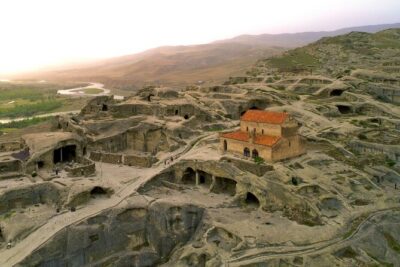

Tbilisi Walking Tour Including Cable Car and Traditional Bakery
Read our review →

Kakheti Wine Region: Signagi and Bodbe Tour with 10 Wine Tastings
Read our review →
Mtskheta,Jvari,Bazaar,wine tasting,Chronicles of Georgia
Read our review →Browse the lists this tour appears in