
Reviewed · MTSKHETA AND JVARI TOURS
Mtskheta, Jvari, gori, uflistsikhe, history and panorama (group tours)
The most memorable part of this day is the sharp change in scenery and subject. You begin with Georgian Christianity at Jvari Monastery and Mtskheta, move into the pagan cave city of Uplistsikhe, and may finish with Stalin’s personal world in Gori. It is a lot of Georgian history in one outing.
I like the spectacular view from Jvari, where the Aragvi and Kura rivers meet below, and I like the contrast between the solemn Svetitskhoveli Cathedral and the rough stone chambers of Uplistsikhe. At $19, the basic price is remarkably low, but you should budget extra for entrance tickets and lunch.
The main caution is consistency. Several guides, including Luca, Paata, Emilia, George, and Tornike, have been praised for clear explanations and friendly help. Other English-speaking groups have reported short translations, heavy use of Russian, rushed visits, or unsafe driving. Ask about the guide and language balance before you leave.
Key points to know before booking
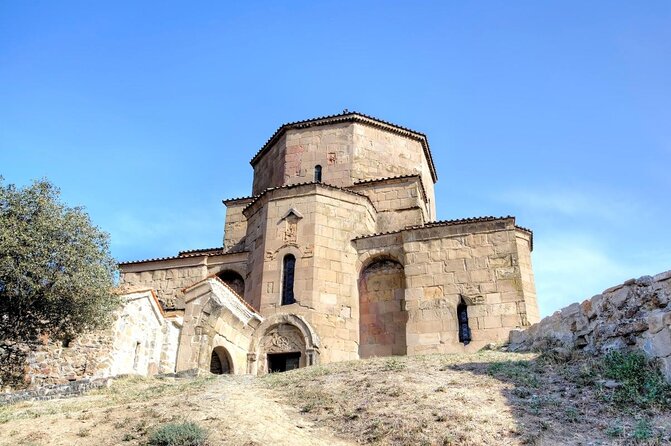
- Jvari gives you the day’s best panorama: The sixth-century monastery looks across Mtskheta and the meeting point of two major rivers.
- Svetitskhoveli is the cultural heart of the trip: This cathedral is one of Georgia’s most important Orthodox churches and usually becomes the emotional high point.
- Uplistsikhe brings a completely different past: You walk through rooms, tunnels, worship spaces, and stone paths cut into an ancient cave settlement.
- Gori adds a complicated political chapter: The Stalin Museum is optional and costs extra, so the group’s wishes may shape the stop.
- The $19 fare is only the starting point: Lunch is not included, and entrance fees are listed separately at 15 or 17 GEL depending on the information provided.
- English service can vary: Confirm that your assigned guide will give full explanations in English, not brief translations after longer Russian commentary.
Four layers of Georgian history in one day
This is a classic outside-Tbilisi sampler. In roughly nine hours, you see the country’s Christian center, an ancient settlement carved from rock, the hometown museum of a Soviet dictator, and broad views over central Georgia.
I find the route valuable because the sites do not repeat one another. Jvari is about faith and setting. Mtskheta is about Georgian statehood and Orthodox tradition. Uplistsikhe reaches much farther back, to the pre-Christian era. Gori adds a modern figure whose legacy remains difficult and divisive.
The group is capped at 15 people, which is small enough to keep the day manageable if the guide is organized. Transportation is by a comfortable vehicle with a driver-guide, and the meeting point is at 3 Vakhtang Gorgasali Street in Tbilisi. Departure is scheduled for 9:00 a.m., with the tour returning to the same meeting point.
The low price makes this attractive for a first visit, especially if you want to see several major places without arranging a private car. Just remember that the bargain fare does not cover everything. Lunch is separate, and the written details give different entrance prices for Uplistsikhe and the Stalin Museum, so check the current amount before departure.
more mtskheta and jvari stops
- Day Trip to Mtskheta Gori and Uplistsikhe
★ 5.0 · 1,801 reviews - Tbilisi:Mtskheta,Jvari,Bazaar,wine tasting,Chronicles of Georgia
★ 5.0 · 730 reviews - Mtskheta-Gori-Uplistsikhe
★ 5.0 · 112 reviews
Jvari Monastery and the meeting of the rivers
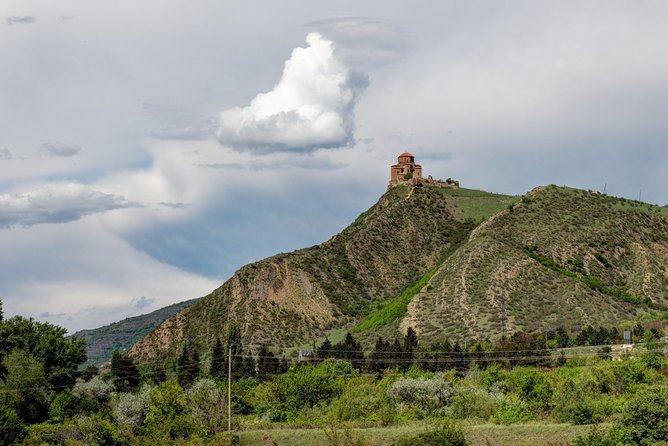
Jvari comes first, and that is a smart choice. The monastery sits high above Mtskheta, giving you an immediate sense of the area’s geography before you walk into the town below.
The church dates from the sixth century and is tied to the early Christian story of Georgia. The visit also carries a literary connection. The route recalls the setting associated with Mikhail Lermontov’s poem Mtsyri, and the river view below inspired some of the poem’s best-known images.
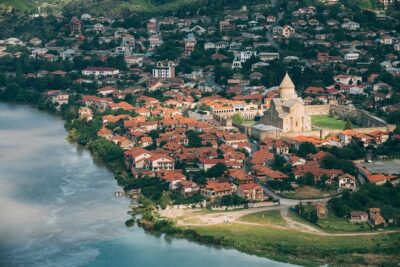
You look down toward Mtskheta, where the Aragvi and Kura meet. The sight is the kind that makes a short stop feel worthwhile: a hilltop church, a broad river junction, and the old capital spread below. I would bring a jacket or light layer even on a sunny day, since an exposed hilltop can feel cooler than central Tbilisi.
The stop is scheduled for about one hour, with admission included. Expect walking on uneven ground and some uphill movement. Comfortable shoes matter here, and they matter even more later at Uplistsikhe.
The best use of your time is to listen to the explanation of Jvari’s place in Georgian Christianity, then leave room to look around quietly. The panorama is not a backdrop added to the monastery. It explains why this site has such power.
Mtskheta and Svetitskhoveli Cathedral
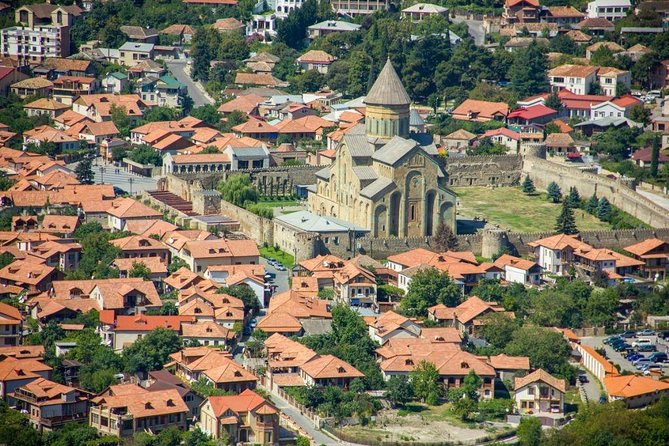
From Jvari, the route descends to Mtskheta, Georgia’s former capital and one of the country’s most important religious centers. The main stop is Svetitskhoveli Cathedral, often translated as the Cathedral of the Living Pillar.
This is usually the strongest church visit of the day. The cathedral belongs to the Georgian Orthodox Church and is connected with major Christian traditions, including the reported presence of Christ’s tunic, the mantle of the prophet Elijah, and relics associated with Saint Andrew the First-Called.
You do not need to share the faith to appreciate the place. The value is in seeing how religion, national identity, and political power came together in an old capital. A good guide can explain those links without turning the visit into a list of dates.
Plan on about an hour here. Dress respectfully for an active church, and expect the atmosphere to be more devotional than museum-like. The interior may feel dark compared with the bright view from Jvari, so give your eyes a moment to adjust.
I would pay close attention to the stonework, the icons, and the way the cathedral functions as a living church rather than a preserved ruin. This is one place where a thoughtful guide adds real value. Several guides associated with this route, including Luca, Paata, and Tornike, have been praised for making the historical material easy to follow.
Uplistsikhe, the ancient cave city
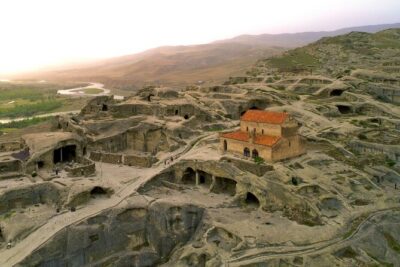
Uplistsikhe is the most unusual stop. The site is a rock-cut settlement dating from the end of the second millennium or the beginning of the first millennium BC. Instead of entering a polished museum, you walk through a worn stone complex of rooms, passages, chambers, and former ritual spaces.
The name is often translated as Lord’s Fortress, though the experience feels less like a fortress than a town carved into the rock. The site reflects a pagan past, and the guide is expected to explain religious practices, daily life, and Uplistsikhe’s connections with ancient states such as Urartu and Media.
The Kura Valley opens out around the site, providing another strong view. Uplistsikhe works best when you take your time: look at how rooms connect, notice the practical spaces beside ceremonial ones, and watch your footing on the stone paths.
The planned stop lasts about two hours and 20 minutes, including a restaurant visit. That sounds generous, but the time can feel tight if the group is large, the walking pace is slow, or the guide gives extended explanations in more than one language. Some English-speaking visitors have found the cave-city visit rushed, with longer commentary in Russian and only brief English translations.
That language issue is the single biggest thing I would clarify before booking. The experience is offered in English, but the guide may also work with Russian-speaking members of the group. Ask directly how much of the explanation will be given in English and if the group will split into language sections.
The site is not ideal for anyone who dislikes uneven terrain. Wear firm shoes, avoid loose sandals, and keep your attention on the ground as well as the walls. There may be exposed paths, steps, and rough stone surfaces, though the supplied information does not give a detailed accessibility description.
more gori and uplistsikhe visits
- Day tour to Chronicles of Georgia, Gori city, Uplistsikhe cave
★ 5.0 · 86 reviews - Ancient Georgia Group Tour: Mtskheta,Jvari, Gori, Uplistsikhe
★ 4.5 · 73 reviews - Mtskheta – Jvari + Gori – Uplistsikhe Tour
★ 5.0 · 49 reviews - Mtskheta – Gori – Uplistsikhe caves • Private tour
★ 5.0 · 24 reviews
Lunch and the limits of a $19 tour
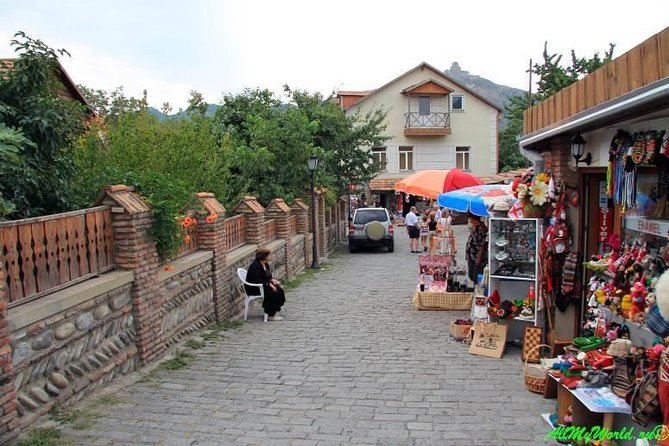
A local restaurant visit is built into the Uplistsikhe portion of the day. The meal is not included, so bring Georgian lari or confirm what payment is accepted.
The restaurant is intended to add a local-food element, and some visitors have enjoyed having a meal included in the rhythm of the day. I would keep your expectations practical. One account describes food that was oily and service that felt less polished, so this is not a reason to book the outing by itself.
At $19 per person, the tour is priced more like shared transportation with guiding than a polished food-and-culture program. That is still excellent value if you want to cover the long route without hiring a car. The tradeoff is that you have less control over meal choice, stop length, and the pace of the group.
The optional tickets add to the final cost. Uplistsikhe is listed once at 15 GEL and elsewhere at 17 GEL, while the Stalin Museum is given the same range. Since the information is inconsistent, I would carry enough extra cash for the higher figure, plus lunch.
Gori and the Stalin Museum
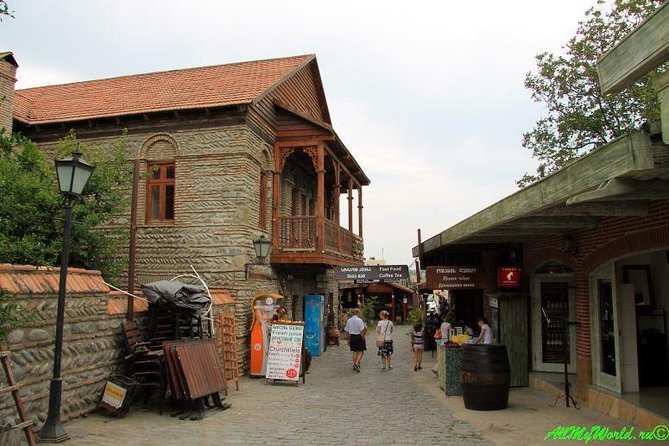
Gori is included in the route, but the Stalin Museum is described as an optional stop chosen according to the group’s wishes. That means you should not assume you will receive the same amount of time there on every departure.
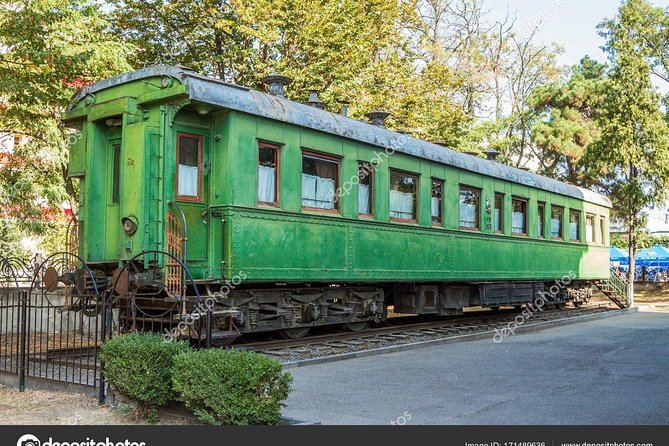
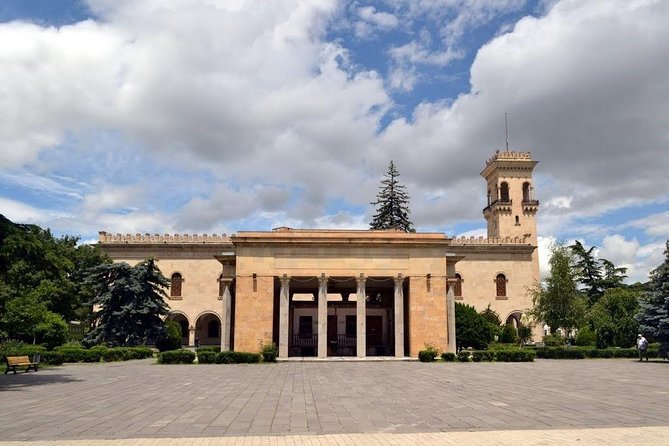
The museum occupies Stalin’s hometown and displays a preserved statue, personal belongings, furniture, and material connected with his life. A museum guide conducts the visit, and admission is not included in the tour price.
This stop requires a clear head. The museum presents Stalin through personal objects and a hometown lens, while his rule involved mass repression and the deaths of many people. The attraction is not a simple celebration or a neutral biography. It is a chance to consider how a place remembers a powerful figure who remains deeply controversial.
Some people will find the museum absorbing. Others will find it uncomfortable or too limited in its treatment of the wider political record. I would ask the guide how much time the group has and what exactly is included before paying the extra entrance fee.
If most of your group wants the museum, it can add useful context to the day’s movement from ancient Georgia to the Soviet period. If not, Gori may be a shorter stop or may be handled mainly as part of the route. The supplied details do not promise a fixed museum visit for every departure.
Guides, language, and the group experience
This is a driver-guide tour, so your experience depends heavily on the person assigned that morning. Luca has been praised for bringing the history of each site to life. Paata has been described as warm, capable, and good at keeping the day comfortable. Emilia, George, and Tornike have also received strong praise for friendliness, clear explanations, and helpful organization.
At the same time, English quality has not been uniform. Some groups have received short English summaries after much longer Russian explanations. Others have complained about poor organization, limited information, rude behavior, or driving that felt unsafe.
I would not ignore those concerns simply because the price is low. A group tour can forgive a plain vehicle or a basic lunch. It should not require you to accept dangerous driving or a guide who leaves people unsure where to go.
Before departure, ask three direct questions:
- Will the tour be conducted mainly in English?
- Is the Stalin Museum definitely included in the day’s plan, or does the group decide?
- How much time is planned at Uplistsikhe?
If you are assigned Luca, Paata, Emilia, George, or Tornike, that may be encouraging based on the strong feedback attached to their names. Still, guide assignments can change, so treat this as a question to ask rather than a promise.
The maximum group size is 15. That is much easier to manage than a large coach, but it is still large enough for different walking speeds and language needs. Stay aware of the meeting point at each stop, especially at Uplistsikhe, and do not assume the guide will always be directly beside you.
Timing, comfort, and practical preparation
The advertised duration is about nine hours, starting at 9:00 a.m. and ending back at the Tbilisi meeting point. One provider response gives a shorter four-to-five-hour duration, which conflicts with the stated schedule and route. I would plan for the full day and avoid booking a tight evening commitment.
The route covers several sites outside the capital, so time on the road is part of the experience. You get a broad introduction to central Georgia, but you do not get unlimited time at each place.
Bring:
- Comfortable walking shoes for Jvari and Uplistsikhe
- Clothing suitable for church visits
- Water and sun protection
- Georgian lari for lunch and optional admissions
- A little patience for a multilingual group
The tour requires good weather. If poor weather cancels the departure, you are offered another date or a full refund. You can cancel for a full refund up to 24 hours before the start time, but changes or cancellations inside that window are not accepted.
Most people can take part, but the uneven stone at Uplistsikhe deserves attention. The provided details do not promise wheelchair access or a fully step-free route.
Who should book this day trip?
I would choose this tour if I wanted a low-cost introduction to several major sites and did not want to arrange separate transport to Mtskheta, Gori, and Uplistsikhe. The combination of churches, ancient caves, river views, and twentieth-century politics gives you a useful first look at Georgia’s long story.
It suits someone who prefers variety over leisurely museum time. It also works well for a first full day outside Tbilisi, provided you accept the fixed schedule and extra expenses.
I would hesitate if your top priority is polished English guiding, a relaxed pace, or a carefully controlled food stop. In that case, a private tour or a smaller specialist outing may offer better value despite costing more.
My verdict on the Mtskheta, Jvari, Gori, and Uplistsikhe tour
This is a strong bargain with real sightseeing value. Jvari and Svetitskhoveli are the most dependable highlights, while Uplistsikhe is the most distinctive stop. Together, they offer far more substance than a simple countryside excursion.
The weaknesses are guide consistency, language balance, optional arrangements in Gori, and extra costs that are not fully clear. I would book it for the route and the price, but I would confirm the English arrangements, ticket prices, and day’s timing first.
If the operator can match you with a clear English-speaking guide such as the highly praised Luca, Paata, Emilia, George, or Tornike, this can be an excellent use of one day from Tbilisi. If you receive vague answers about language or Uplistsikhe timing, choose another operator.
FAQ
Where does the tour start?
The meeting point is 3 Vakhtang Gorgasali Street, Tbilisi 0105, Georgia.
What time does the tour begin?
The scheduled start time is 9:00 a.m.
How long does the tour last?
The tour is advertised as approximately nine hours and returns to the meeting point in Tbilisi. One provider response gives a shorter four-to-five-hour duration, so confirm the expected timing before departure.
Which language is offered?
The tour is offered in English. The guides and groups may also use Russian, so ask how much of the commentary will be delivered in English.
Is the Stalin Museum included?
The Stalin Museum is an optional stop chosen according to the group’s wishes. Its admission is not included.
How much do the extra tickets cost?
The supplied information lists Uplistsikhe and the Stalin Museum at either 15 GEL or 17 GEL each. Because the amounts conflict, confirm the current prices and carry enough Georgian lari.
Is lunch included?
No. The restaurant stop is included in the route, but the meal must be paid for separately.
What is the cancellation policy?
You can cancel at least 24 hours before the start time for a full refund. Poor weather may lead to a different date or a full refund.
More Historical Tours in Tbilisi
- Tbilisi old town & soviet heritage – Private driver-guided Tour
★ 5.0 · 83 reviews - A 6-Day Private Expedition into Rich Heritage
★ 5.0 · 34 reviews - Kazbegi-Ananuri-Gudauri: Epic Views & History (Group)
★ 5.0 · 15 reviews - Jewish Heritage Walking Tour with Kosher Wine Tasting
★ 5.0 · 15 reviews
Recently added around Tbilisi
- 2-Day Private Wine Tour to Kakheti from Tbilisi★ 5.0 · 3 reviews
- Kakheti wine region – Private Tour★ 5.0 · 3 reviews
- 17 Day Private Tour through Georgia★ 5.0 · 3 reviews
- Tbilisi and Mtskheta cities private, cultural tour★ 5.0 · 3 reviews
- Tbilisi City Tour with Street Photography★ 5.0 · 3 reviews
- Kakheti With Top Destinations★ 5.0 · 3 reviews
- Jvari monastery & Mtskheta – Half day group tour from Tbilisi★ 5.0 · 3 reviews
- Tbilisi City, Jvari Monastery, Uplistsikhe caves, Mtskheta city Private Day Trip★ 4.5 · 3 reviews
Mtskheta and Jvari Tours, compared.
Mtskheta,Jvari,Bazaar,wine tasting,Chronicles of Georgia
Read our review →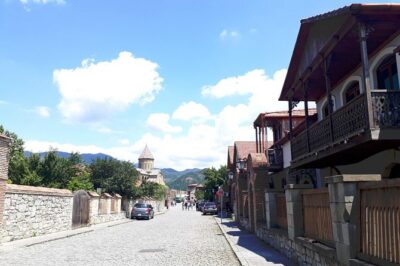
Jvari-Uplistsike-Chronicle of Georgia, PRIVATE Trip
Read our review →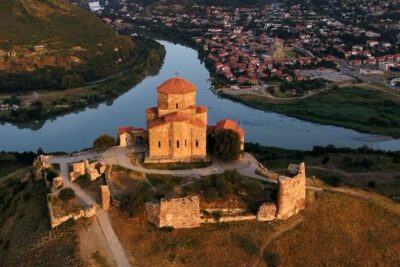
Ancient Georgia Group Tour: Mtskheta,Jvari, Gori, Uplistsikhe
Read our review →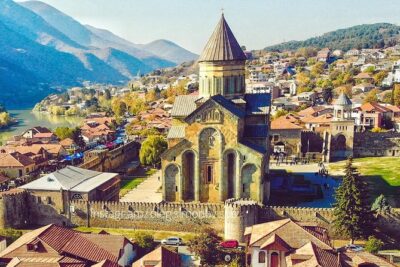
Ancient Mtskheta and Chronicle of Georgia half day tour
Read our review →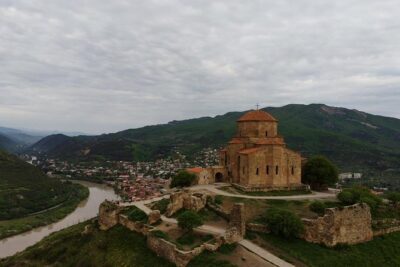
Private Day Trip to Gudauri and Kazbegi from Tbilisi via Jvari and Mtskheta
Read our review →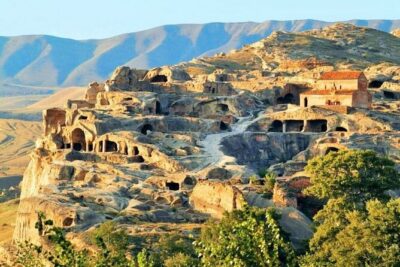
Browse the lists this tour appears in