
Reviewed · MTSKHETA AND JVARI TOURS
Full Day Tour of Tbilisi and Mtskheta
Mtskheta gives you Georgia’s old capital in a single morning, then Tbilisi brings the day back to fortress views, sulfur baths, narrow lanes, and lively squares. The pairing works because you see both the country’s spiritual center and its present-day capital without arranging separate transport.
I like the strong mix of major sights and the chance to hear the story behind them from guides such as Anna, Eka, Tamara, or Maia. I also like the practical comfort: a private vehicle, bottled water, an English-speaking guide, and a route that covers hard-to-link sights in one day.
The main caution is the pace. You spend about 7 hours and 40 minutes moving between eight stops, with hills, stairs, and old stone surfaces. Church access can also be limited during services, and the booking information gives conflicting minimum group sizes, so confirm that point before paying.
Key points to know before you book
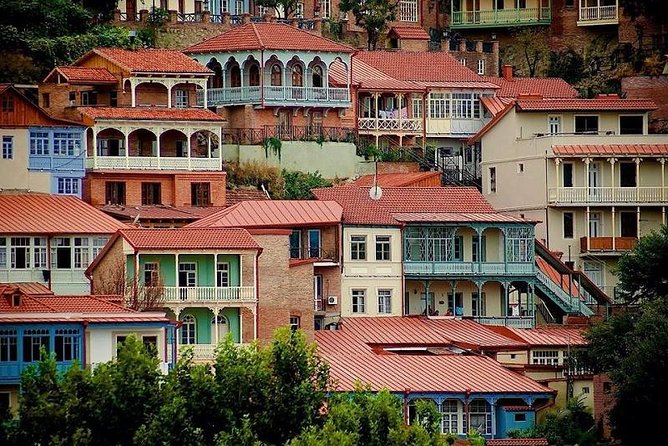
- Two capitals in one day: Mtskheta was Georgia’s ancient capital, while Tbilisi supplies the urban streets, baths, fortress, and river views.
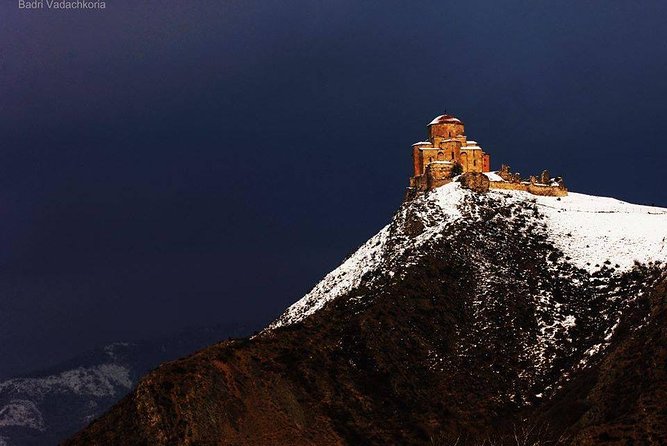
- Jvari has the big view: The sixth-century monastery overlooks Mtskheta and the meeting point of the Aragvi and Mtkvari rivers.
- The guides add real value: Anna, Eka, Tamara, and Maia are noted for clear English, historical context, humor, and thoughtful help on steep sections.
- Narikala includes a cable car ride: The ticket is included, but the cable cars may sometimes be out of service, with the route then adjusted.
- Meals are not promised: Food is listed as extra, although one past tour included lunch, so ask before assuming a meal is part of your day.
- Check the minimum group rule: The highlights say at least two people are needed, while the additional details say six. Get written confirmation.
Why Mtskheta is the right first half
The tour begins at 10:00 am near the Giant Bicycle monument at Rose Revolution Square in Tbilisi. From there, your guide and driver take you toward Mtskheta, about an hour’s worth of touring once you count the main stops and walking.
Mtskheta matters because it was Georgia’s ancient capital and remains one of the country’s key religious centers. You are not simply ticking off an old town. The churches here connect Georgia’s early Christian story with the country you see today.
The first stop is Jvari Monastery, built in the sixth century. Its hilltop position is the reason it earns an early place in the route. From the monastery, you can look down over Mtskheta and see the Aragvi and Mtkvari rivers meet. On a clear day, this is one of the best photo stops of the tour.
Jvari is also the place where weather matters most. Wind, rain, or low cloud can reduce the view, and the stone setting calls for sensible shoes. The visit lasts about an hour, with no separate admission fee listed.
Your guide’s explanation matters here. A quick photo stop gives you a handsome panorama. A good guide explains why this hill, this monastery, and this river junction are so important to Georgia’s religious and political past.
more mtskheta and jvari stops
- Day Trip to Mtskheta Gori and Uplistsikhe
★ 5.0 · 1,801 reviews - Tbilisi:Mtskheta,Jvari,Bazaar,wine tasting,Chronicles of Georgia
★ 5.0 · 730 reviews - Mtskheta-Gori-Uplistsikhe
★ 5.0 · 112 reviews
Svetitskhoveli, Georgia’s sacred center
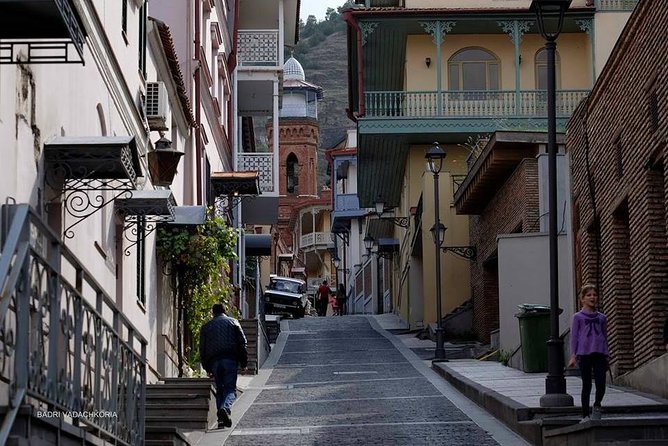
After Jvari, you drive down into Mtskheta for Svetitskhoveli Cathedral. The cathedral is one of the most sacred places in Georgia, and local tradition holds that Christ’s robe is preserved here.
The building is impressive, but the best part of a guided visit is learning how belief, royal power, and architecture meet inside this space. Allow about an hour. Dress respectfully, since this is an active place of worship rather than a museum exhibit.
Church rules can affect the order of the day. Entry is not allowed during services, including Sunday mornings, Saturday evenings, and religious holidays. If your date falls at one of those times, the operator may begin in Tbilisi and visit Mtskheta later.
That is a useful policy, but it is also something you should check before booking. One poor experience came from finding a church closed on a Sunday, and this is easy to avoid if you confirm the date and service schedule in advance.
Mtskheta’s streets, wine, and Samtavro
The City-Museum Reserve of Mtskheta gives you a slower hour on foot. This is where the day shifts from grand monuments to the feel of the old capital. You can walk through the historic center and stop at a local wine shop to buy Georgian wine.
Wine purchases are not included, and alcoholic drinks are extra. The stop is still useful because Georgian wine is part of the country’s living culture, not just a souvenir. You can ask your guide what to look for, but remember that the minimum drinking age is 18.
The itinerary then allows about 40 minutes at Samtavro Church, a medieval monastery in the historic part of Mtskheta. It is smaller in scale than Svetitskhoveli, which makes it a good counterpoint. Here, the value lies less in a single grand view and more in seeing another important religious site within the old capital.
Taken together, these four Mtskheta stops give you a solid morning: a hilltop monastery, a major cathedral, old-town streets, local wine, and a medieval church. The drawback is that the schedule can feel packed if you like long meals, quiet wandering, or extended time inside each building.
Returning to Tbilisi by cable car
Back in Tbilisi, the tour shifts into a more active city walk. You ride the aerial cable car to Narikala Fortress, a fourth-century stronghold above the old city. The cable car ticket is included.
Narikala is one of the finest places on the route for a wide view of Tbilisi. You see the Mtkvari River, the old neighborhoods, and the city spreading beyond the historic center. The fortress itself is a ruin, so do not expect intact rooms or a polished museum. Its appeal is the setting, the stone remains, and the sense of how the city was defended.
The cable car may not always operate. One day, it was out of service and the guide substituted a trip on the city funicular. That kind of flexibility is valuable, but the exact replacement depends on the conditions and the operator.
After exploring the fortress, you walk downhill toward the sulfur bath district, Legtakhevi, Meidan Square, and Shardeni Street. This portion is more demanding than the vehicle sections. You may deal with slopes, steps, and uneven paving, so wear shoes with a good grip.
A guide can also help here by managing the order of the walk. The old city is compact, but its sights are not arranged in a neat museum line. You get more from the area when someone explains how the fortress, river, baths, and market streets fit together.
more days out of Tbilisi to compare
- Kutaisi Canyons and Caves from Tbilisi Full Day Tour
★ 5.0 · 448 reviews - Kazbegi and Gudauri Full Day Private Tour from Tbilisi
★ 5.0 · 447 reviews - Full Day Private Wine Tour in Kakheti Region with Lunch and 3 Wine Tastings
★ 5.0 · 207 reviews - Kazbegi Full-Day Private Tour with Scenic Stops from Tbilisi
★ 5.0 · 125 reviews
Abanotubani and the story of Tbilisi
Abanotubani is Tbilisi’s old sulfur-bath district, set on the eastern bank of the Mtkvari beneath Narikala. The domed bathhouses are among the city’s most distinctive sights, and the district offers a direct link between local legend and the city’s origins.
The familiar story says that King Vakhtang Gorgasali’s falcon fell into the hot springs while hunting. The discovery led to the founding of Tbilisi, whose name is tied to warm waters. Your guide can give this story its proper setting, rather than leaving you with a photo and a quick label.
The tour also includes the small waterfall in the Legtakhevi area. This is a pleasant surprise in the middle of the old city, though the paths can be wet or slippery in poor weather. You do not need a separate admission ticket for Abanotubani or the waterfall.
The bath district is not a bathing session. If you want to use a sulfur bath, that is a separate activity and is not included in the tour details. The visit is for seeing the area and understanding its place in Tbilisi.
Meidan Square, Shardeni, and Metekhi
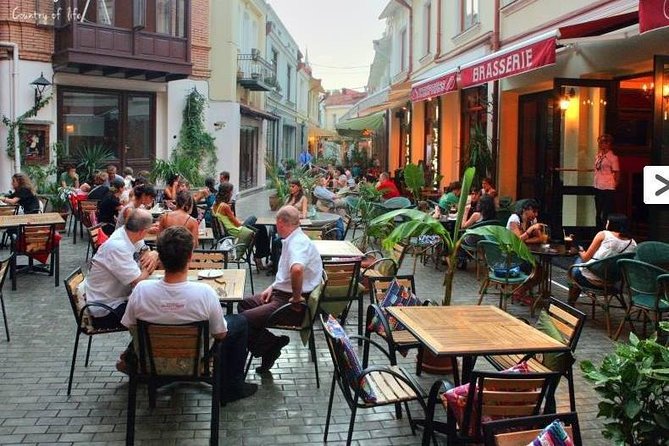
From Abanotubani, you continue to Meidan Square and nearby Shardeni Street, Cotton Row, and Iron Row. The area has souvenir shops, art galleries, and cafes. It is the most commercial part of the day, but it is also a practical place to browse Georgian crafts or pause for a drink.
Do not expect a long independent shopping period. The stop is listed at about an hour, and the tour still has Metekhi ahead. If you see something you want, buy it rather than assuming you will return later.
The final major stop is Metekhi Cathedral, reached from the Metekhi plateau. The thirteenth-century church is one of the important architectural monuments of old Tbilisi and gives you another strong view over the city and river.
Metekhi helps round out the story. Mtskheta shows Georgia’s ancient religious center, while Metekhi places that story inside Tbilisi’s older urban core. The cathedral is not just another church on a list. It is part of the city’s historic structure, perched above the river and tied to the old neighborhoods below.
The tour ends back at the original meeting point near the Giant Bicycle monument. That return is helpful if you do not want to work out transport after a full day on foot.
What the $158 price gets you
At $158 per person, this is not the cheapest way to see Tbilisi and Mtskheta. The price makes more sense if you value a private vehicle, a dedicated guide and driver, bottled water, and one carefully arranged day rather than two separate outings.
All entrance fees are included, including the Narikala cable car ticket. Meals are not included, and alcoholic drinks must be purchased separately. One past group received lunch as part of its day, but that is not a standard inclusion in the stated package, so ask directly before you plan around it.
The price is easier to justify for two or more people sharing the experience, especially if you want a flexible route. It is less attractive if you are happy using public transport, walking independently, and reading about the churches yourself.
You should also note the wording around group size. The tour is described as private, with only your group participating. One part of the information says a minimum of two people per booking, while another says a minimum of six. That is a meaningful difference. Confirm the current requirement with Georgian Holidays before booking, particularly if you are a couple or a small family.
The tour is commonly booked well ahead, with an average booking lead time of 121 days. That does not mean you must reserve that early, but it does suggest that popular dates can fill. Confirmation is sent within 48 hours, subject to availability.
The guide can make or break the day
This route covers a lot of ground, so the guide is central to its value. Anna is praised for clear explanations and good English, and she has also hosted an excellent Georgian lunch on one occasion. Eka has guided both the Mtskheta day and a separate Tbilisi evening, which can be useful if you want continuity and a route adjusted around sights already seen.
Tamara is a strong choice for anyone traveling with an older parent or another person who needs help on hills. She has been especially attentive with assistance on steeper sections. Maia is described as funny and helpful while explaining Georgia’s history and religious traditions.
You cannot necessarily request a specific guide, but you can ask for Anna, Eka, Tamara, or Maia when booking. The driver is part of the service too. Comfortable transport matters after a morning of churches and an afternoon of uphill and downhill walking.
The best guide will also adjust the Tbilisi portion if you have already seen some of the old city. One group used the day to cover sights missed on an earlier walking tour. That is worth requesting rather than repeating places you have already visited.
Who should take this tour?
I would choose this for a first visit to Georgia when you want the main historical and religious sights handled in one day. It suits couples, families, and small private groups who prefer a car and guide over piecing together taxis, buses, and walking routes.
It is also a good fit if you care about context. Jvari and Svetitskhoveli can be visited without a guide, but you will understand their place in Georgia far better with someone explaining the customs, legends, and changing role of Mtskheta.
I would hesitate if you want a slow day. Eight stops, long transfers, church visits, a fortress, and an old-city walk leave limited room for lingering. People with limited mobility should ask about the hills and uneven surfaces before booking, even though most participants can take part.
The tour operates in all weather, so bring clothing for changing conditions. A clear day is best for Jvari and Narikala, but the route still has value in less friendly weather. Just expect the views to depend on visibility.
Should you book it?
Book this tour if you want an efficient, guided introduction to both Mtskheta and Tbilisi, and if a private vehicle and cultural explanation are worth paying for. The strongest parts are the Jvari view, Svetitskhoveli’s religious importance, Narikala’s cable car approach, and the guide’s ability to connect the sights.
Skip it if you prefer choosing one city and exploring at your own pace. Before you commit, confirm the minimum group size, ask whether lunch is included on your date, and check the church calendar. With those points settled, this is a well-planned day for seeing the two places most visitors should understand before moving on through Georgia.
FAQ
How long does the tour last?
The tour lasts approximately 7 hours and 40 minutes.
What time does the tour begin?
It begins at 10:00 am.
Where is the meeting point?
You meet near the Giant Bicycle monument at Rose Revolution Square in Tbilisi, Georgia.
Where does the tour end?
The activity ends back at the original meeting point.
Is the tour private?
Yes. The supplied details describe it as a private activity for your group only.
What language is the tour offered in?
The tour is offered in English.
Are entrance fees included?
Yes. Entrance fees are included, including the Narikala cable car ticket.
Are meals included?
Meals are not listed as included. Alcoholic drinks are also extra, although food may be offered on some departures, so confirm before booking.
Can I cancel for a full refund?
Yes, if you cancel at least 24 hours before the local start time. Cancellations or changes made less than 24 hours before the start are not refunded or accepted. If the operator cancels because the minimum number of participants is not met, you will be offered another date or experience, or a full refund.
Recently added around Tbilisi
- 2-Day Private Wine Tour to Kakheti from Tbilisi★ 5.0 · 3 reviews
- Kakheti wine region – Private Tour★ 5.0 · 3 reviews
- 17 Day Private Tour through Georgia★ 5.0 · 3 reviews
- Tbilisi and Mtskheta cities private, cultural tour★ 5.0 · 3 reviews
- Tbilisi City Tour with Street Photography★ 5.0 · 3 reviews
- Kakheti With Top Destinations★ 5.0 · 3 reviews
- Jvari monastery & Mtskheta – Half day group tour from Tbilisi★ 5.0 · 3 reviews
- Tbilisi City, Jvari Monastery, Uplistsikhe caves, Mtskheta city Private Day Trip★ 4.5 · 3 reviews
Mtskheta and Jvari Tours, compared.
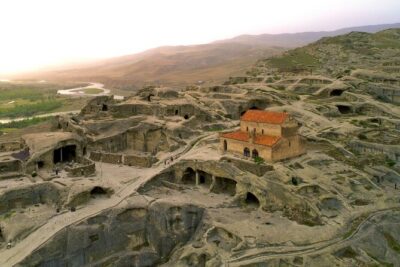
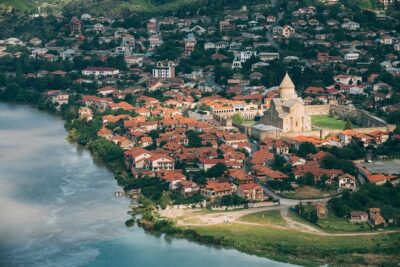
Mtskheta,Jvari,Bazaar,wine tasting,Chronicles of Georgia
Read our review →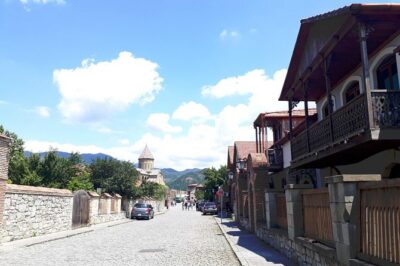
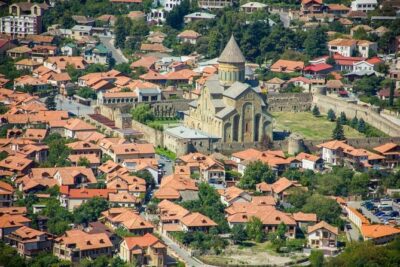
Mtskheta, Jvari, gori, uflistsikhe, history and panorama (group tours)
Read our review →
Jvari-Uplistsike-Chronicle of Georgia, PRIVATE Trip
Read our review →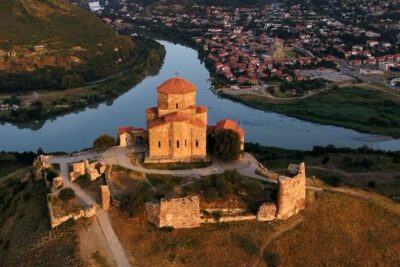
Ancient Georgia Group Tour: Mtskheta,Jvari, Gori, Uplistsikhe
Read our review →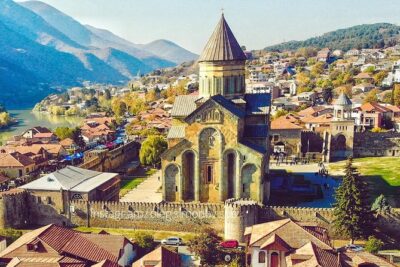
Ancient Mtskheta and Chronicle of Georgia half day tour
Read our review →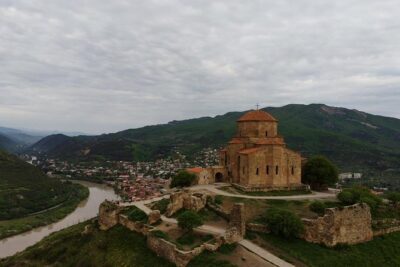
Private Day Trip to Gudauri and Kazbegi from Tbilisi via Jvari and Mtskheta
Read our review →Browse the lists this tour appears in