
Reviewed · MTSKHETA AND JVARI TOURS
Mtskheta, Jvari, gori, uflistsikhe, history and panorama (Private tours)
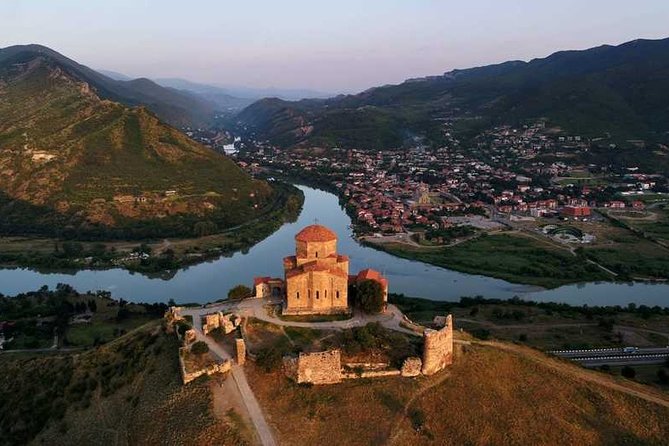
Georgia’s past unfolds in striking layers on this private day trip. At Jvari Church, you look down on Mtskheta where the Aragvi and Kura rivers meet. Later, at Uplistsikhe, you walk through rooms cut into rock and see a very different Georgia, one shaped by pagan worship and ancient trade.
I like the contrast between early Christianity and the pre-Christian world, and I like having a private vehicle for a long route with several stops. Guides Nino and Giorgi are specifically named in the feedback, with Nino handling the storytelling and Giorgi driving. The main drawback is the packed schedule: nine hours is enough for the highlights, but not for slow, extended visits.
Key points to know before booking
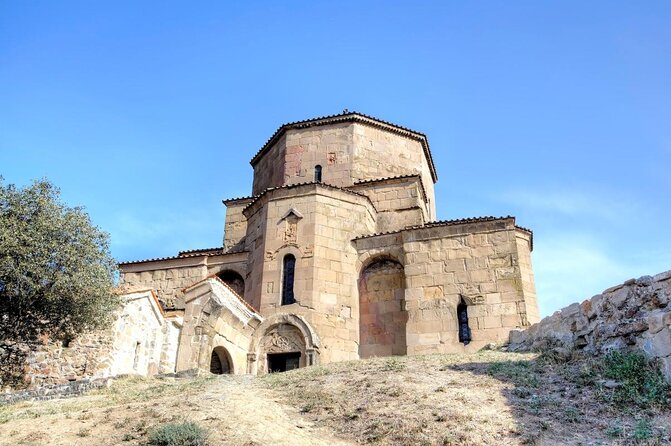
- Jvari gives you the day’s signature view: The sixth-century church looks across the meeting point of the Aragvi and Kura rivers toward Mtskheta.
- Mtskheta supplies the spiritual center: Svetitskhoveli and Samtavro explain Georgia’s early Christian identity.
- Uplistsikhe adds a sharp change of mood: Its rock-cut rooms and ancient religious setting reach back to the end of the second millennium or beginning of the first millennium BC.
- Gori is optional in practice: The Stalin Museum can be added at the group’s request, with a separate 15 GEL admission charge.
- Private transport makes the route easier: You travel only with your own group in an air-conditioned vehicle with WiFi.
- The price needs a little arithmetic: The listed cost is $90 per person, but lunch and the 15 GEL admissions for the Stalin Museum and Uplistsikhe are extra.
Why this route works in one long day
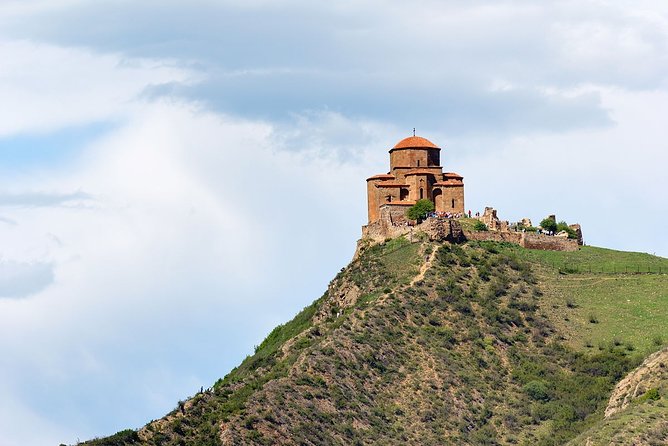
This is not just a collection of famous stops. The route creates a clear timeline. Jvari and Mtskheta introduce the arrival and spread of Christianity in Georgia. Uplistsikhe takes you much farther back, to a period of cave dwellings, pagan rituals, and trade with ancient powers.
The order also gives the day a useful rhythm. You begin with a high viewpoint, move into Mtskheta’s churches, then continue toward Gori and Uplistsikhe. The final stop is more physical, with stone paths and cave chambers, so the day ends with exploration rather than another formal church visit.
You meet at 9:30 am at 3 Vakhtang Gorgasali Street in Tbilisi. Pickup is offered, but you should confirm the exact arrangement when booking. With roughly nine hours on the road, the private format matters. You avoid being tied to strangers’ pace, and the guide can give your group more direct attention.
The vehicle is air-conditioned and has WiFi. Those are modest details, but they matter on a full-day outing. The route covers several sites, and a comfortable vehicle gives you a practical break between stops.
more mtskheta and jvari stops
- Day Trip to Mtskheta Gori and Uplistsikhe
★ 5.0 · 1,801 reviews - Tbilisi:Mtskheta,Jvari,Bazaar,wine tasting,Chronicles of Georgia
★ 5.0 · 730 reviews - Mtskheta-Gori-Uplistsikhe
★ 5.0 · 112 reviews
Jvari Church and the view over Mtskheta
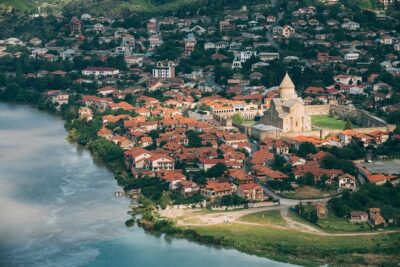
Jvari is the first major stop, with about an hour set aside and admission included. The church dates from the sixth century and sits above Mtskheta, giving you the broad view that helps make the rest of the day easier to understand.
From here, you can see the Aragvi and Kura rivers coming together below. The view is not just a photo stop. It explains why Mtskheta mattered. Rivers, routes, and high ground shaped the city’s importance long before modern roads brought visitors here.
The tour description connects this setting with the literary and historical imagination of Georgia. The route recalls places associated with Mikhail Lermontov’s poem Mtsyri, and it also points to the long line of writers and artists who were drawn to the area, including Pushkin, Tchaikovsky, Dumas, and Tolstoy.
You do not need to know those references in advance. A good guide can make them useful rather than turning the stop into a list of names. Nino is described as giving extensive historical information with a warm, courteous manner, while Giorgi is praised for careful driving. If they are assigned to your departure, expect the human side of the trip to be part of its appeal.
Jvari is also a reminder that this is an active religious site, not simply an old building. Dress and behavior should be respectful. The visit is short enough to keep the day moving, but the hour allows time to see the church and absorb the view without rushing through it.
Svetitskhoveli, the heart of Mtskheta
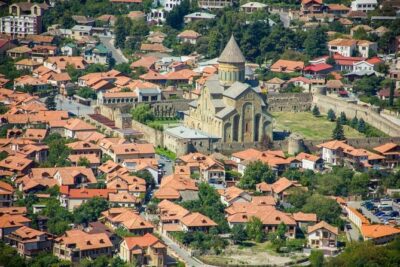
The next hour is devoted to Svetitskhoveli Cathedral, the patriarchal cathedral of the Georgian Orthodox Church. This is the major church visit of the day and the place where Georgia’s Christian story becomes most tangible.
The cathedral is associated with several important Christian relics, including the tunic of Jesus Christ, the mantle of the Prophet Elijah, and relics of Saint Andrew the First-Called. These traditions are central to the meaning of the site, so the visit works best when you listen to the guide’s explanation rather than treating the cathedral as a quick architectural stop.
The name Svetitskhoveli is commonly connected with the idea of a life-giving pillar. The provided tour information identifies the cathedral as a place tied to the adoption of Christianity and to major events in Georgia’s past. That makes it an essential stop for anyone trying to understand why Mtskheta remains so important.
I like the way this part of the route follows Jvari. From the hilltop, you see Mtskheta as a whole. Inside Svetitskhoveli, you get the religious and historical detail. The two visits support each other.
The one-hour limit is useful but firm. You will have time for the main areas and the guide’s explanation, but this is not a long architectural study. If you prefer to sit quietly in churches or photograph every detail, you may feel pressed.
Samtavro Church and the blackberry tradition
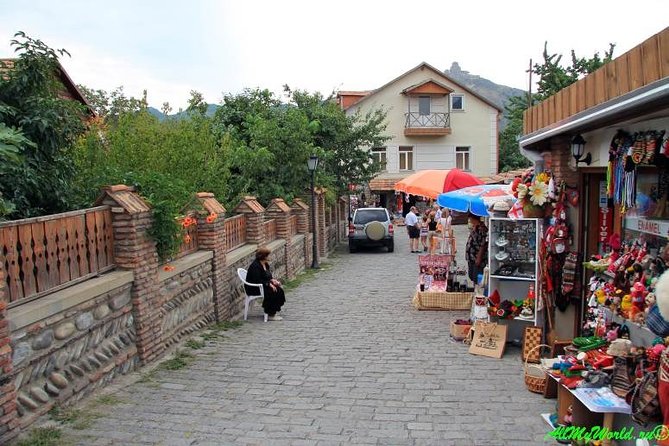
Samtavro receives about 30 minutes, and admission is included. It is a smaller stop than Svetitskhoveli, but it adds a personal layer to Mtskheta’s Christian story.
The church contains the graves of King Mirian, identified as Georgia’s first Christian king, and Queen Nana. You also see relics connected with the holy elder Gabriel Samtavrii. The site is linked to Saint Nino, whose preaching helped spread Christianity in Georgia.
One of the most unusual details is the blackberry bush associated with Saint Nino. According to the tradition presented on the tour, the bush grew beneath the place where she lived and preached. It was cut down several times by invaders and grew back, which is why it is regarded as miraculous.
This is the kind of detail that can make a short church visit memorable. You are not only looking at stone walls. You are hearing how religious memory survives through a particular plant, a royal burial place, and stories passed from one generation to the next.
Thirty minutes is enough for an introduction, though it leaves little room for a slow visit. Taken together, the Mtskheta stops give you three views of the city: its position from Jvari, its national cathedral at Svetitskhoveli, and its more intimate traditions at Samtavro.
more gori and uplistsikhe visits
- Mtskheta, Jvari, gori, uflistsikhe, history and panorama (group tours)
★ 4.5 · 107 reviews - Day tour to Chronicles of Georgia, Gori city, Uplistsikhe cave
★ 5.0 · 86 reviews - Ancient Georgia Group Tour: Mtskheta,Jvari, Gori, Uplistsikhe
★ 4.5 · 73 reviews - Mtskheta – Jvari + Gori – Uplistsikhe Tour
★ 5.0 · 49 reviews
Gori and the optional Stalin Museum
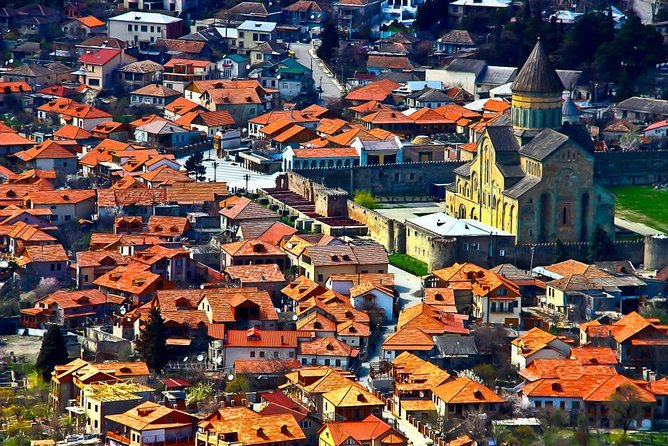
The second half of the outing moves toward Gori. At the group’s request, you can visit the Stalin Museum, located in the city associated with Joseph Stalin. The museum visit lasts about an hour, and the admission fee is not included. The stated extra cost is 15 GEL.
The museum contains a preserved sculpture of Stalin, personal possessions, furniture, and exhibition halls covering his life and public image. A museum guide conducts the visit, so you are not left to interpret the displays without context.
This stop requires a little thought. It is relevant to Gori, but it changes the tone of the day sharply. The morning centers on sacred places and ancient Georgia. The museum turns to twentieth-century political history and the carefully managed presentation of a controversial leader.
That contrast can be valuable. It shows that Georgia’s past is not one smooth story. Still, you should decide in advance if the museum interests you. Since it is included at the group’s request, the exact flow may depend on what your party wants to see.
The extra 15 GEL is modest, but it should be included in your budget. If you skip the museum, you may have more time for the ancient site at Uplistsikhe or a longer break, depending on the day’s arrangements. The supplied details do not promise a fixed alternative schedule, so ask the guide.
Uplistsikhe, Georgia’s rock-cut ancient city
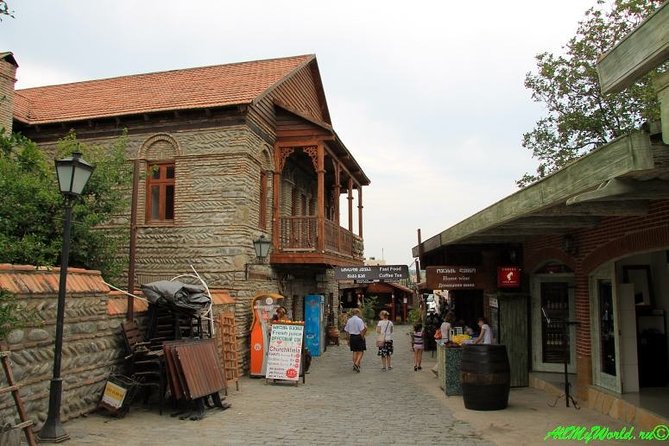
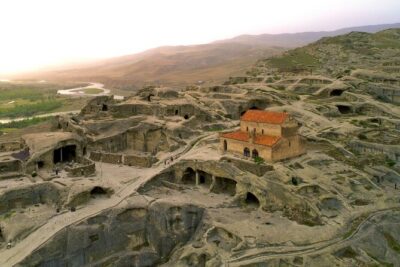
Uplistsikhe is the final major stop and one of the most distinctive parts of the trip. The site is described as a cave city dating from the end of the second millennium or the beginning of the first millennium BC. Admission costs an additional 15 GEL.
Here, you walk through stone-cut rooms, passageways, and practical spaces. The setting helps you picture how people lived and worshipped before Georgia became Christian. The guide explains the site’s pagan past, its cult practices, and its links with ancient states such as Urartu and Media.
The value of Uplistsikhe is its physical evidence. Churches and written accounts can explain belief, but rock-cut chambers give you something you can walk through. You can see how rooms were shaped from the hillside and how a settlement used its position above the Kura Valley.
The site also offers wide views across the valley. Those views connect the ancient settlement to the same geographic forces that shaped Mtskheta: routes, rivers, and defensible high ground.
The hour allocated here should cover a focused visit, but Uplistsikhe is not a flat indoor museum. You will be moving through stone spaces and uneven areas. The tour information says most people can participate, yet anyone who dislikes rough walking or has mobility concerns should ask for more detail before booking.
I would save some attention for the route itself. The approach to Uplistsikhe is part of the change in mood. You leave the church-centered world of Mtskheta and arrive at a place where the rock, the valley, and the remains of ancient rooms do most of the talking.
What the $90 price really includes
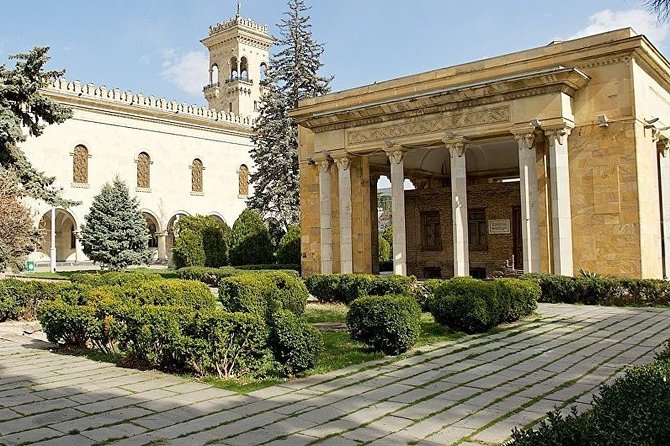
The listed price is $90 per person. For a private tour lasting about nine hours, that can be a reasonable value if your group wants a dedicated vehicle and guide rather than joining a larger coach. You are paying for a full day that links four substantial destinations and covers a wide historical range.
Included are an air-conditioned vehicle, WiFi on board, and a highly qualified guide. Pickup is offered, and group discounts may be available. The private setup is particularly useful for families or small parties that want to control the pace within the limits of the day.
The price does not include lunch. It also does not include the Stalin Museum or Uplistsikhe admissions, each listed at 15 GEL. Those charges are easy to overlook, so budget for both if you plan to visit every major stop.
A practical food tip comes from the route itself. One review specifically praised a café near the city in the rock, describing the food as excellent and inexpensive. Treat that as a useful possibility rather than a guaranteed meal stop, since the tour information does not name the café or promise a lunch break there.
The biggest value comes from the combination. A separate trip to Jvari and Mtskheta would cover Georgia’s Christian heritage. Uplistsikhe adds a very different period, while Gori offers a modern historical detour. If you want one day with strong variety, the price makes more sense than if you only want a relaxed visit to one town.
The guide and driving experience
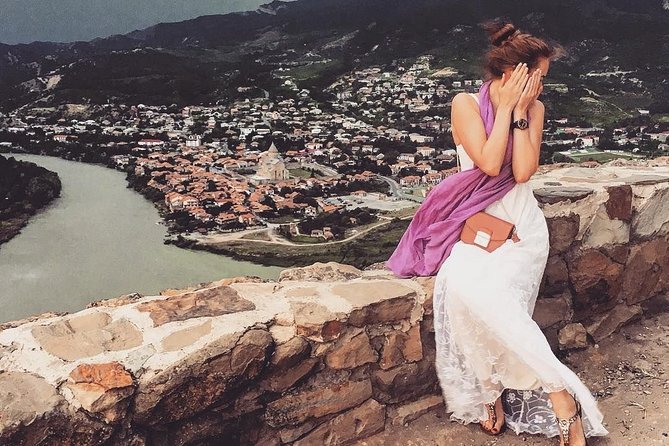
The guide can make or break a route with this much history. The supplied details identify Nino and Giorgi by name. Nino is associated with detailed explanations, useful facts, and a courteous manner. Giorgi is described as the driver who gets the group around quickly and carefully.
That division is useful on a long day. You want the person explaining Mtskheta and Uplistsikhe to keep the story clear, while the driver handles the distances between sites. The comments also describe the experience as warm and personal, which fits the private format.
Still, guide assignments can vary. You should confirm who will lead your particular departure if a named guide is important to you. The provider is Ushba Travel, and confirmation is sent at booking.
Because the day covers several sites, tell the guide early if your priorities are churches, ancient archaeology, Stalin-era history, or scenery. You cannot turn this into a slow specialist tour, but clear preferences may help shape the time spent at the optional museum and during breaks.
Who should book this day trip?
I would choose this tour if you want a broad introduction to Georgia outside Tbilisi and prefer private transport. It suits first-time visitors who want sacred sites, ancient archaeology, river views, and a twentieth-century history stop in one day.
It also works well for small groups with mixed interests. One person can focus on religious history, another on ancient settlements, and another on the views and food. Having your own group means the day is more personal than a large shared excursion.
You should think twice if you want long, unhurried visits. The schedule gives about one hour at Jvari, one hour at Svetitskhoveli, 30 minutes at Samtavro, one hour at the Stalin Museum if chosen, and one hour at Uplistsikhe. Road time fills out the rest of the nine-hour day.
You may also prefer a different outing if your main goal is hiking. This experience is built around sightseeing and guided interpretation, not a long walk in the countryside. Uplistsikhe involves walking through its stone complex, but it is one part of a varied route.
The tour is also a good choice if you appreciate historical contrasts. You move from Christian shrines to an ancient pagan center, with Stalin’s museum between them. That is a lot for a single day, but it gives you a more complete sense of how many different eras occupy the same small country.
Booking, timing, and cancellation
The meeting point is 3 Vakhtang Gorgasali Street in Tbilisi, with a 9:30 am start. Pickup is offered, so check the exact pickup details rather than assuming the listed meeting point is your personal departure location.
Confirmation is provided at the time of booking. The activity is private, and only your group participates. Most people can take part, though you should ask ahead about any specific mobility concern because Uplistsikhe includes rock-cut paths and uneven historic spaces.
Free cancellation is available if you cancel at least 24 hours before the start time. Cancellations made within 24 hours are not refunded, and late changes are not accepted. The cutoff follows local Georgian time.
Should you book Mtskheta, Jvari, Gori, and Uplistsikhe?
Book it if you want one efficient, private day that explains Georgia through religion, archaeology, scenery, and modern history. The combination of Jvari’s view, Mtskheta’s churches, and Uplistsikhe’s caves is the real strength, while Gori gives you an optional extra layer.
Before paying, confirm the guide, pickup plan, lunch arrangement, and whether your group wants the Stalin Museum. Add 30 GEL in admissions if you plan to visit both paid attractions. If you can accept a full schedule and prefer variety over lingering, this is a strong use of a day from Tbilisi.
FAQ
How long does the tour last?
The tour lasts approximately nine hours.
What time does the experience start?
The stated start time is 9:30 am.
Where is the meeting point?
The ticket redemption point is 3 Vakhtang Gorgasali Street, Tbilisi 0105, Georgia.
Is pickup available?
Yes, pickup is offered. Confirm the exact pickup details when booking.
Is this a private tour?
Yes. Only your group participates in the activity.
What is included in the price?
The tour includes an air-conditioned vehicle, WiFi on board, and a highly qualified guide.
Is lunch included?
No. Lunch is not included in the tour price.
Are the Stalin Museum and Uplistsikhe entrance fees included?
No. The Stalin Museum has an additional 15 GEL admission fee, and Uplistsikhe also has an additional 15 GEL admission fee.
Can I cancel for a full refund?
Yes, if you cancel at least 24 hours before the experience start time. Cancellations made less than 24 hours before the start time are not refunded.
More Historical Tours in Tbilisi
- Tbilisi old town & soviet heritage – Private driver-guided Tour
★ 5.0 · 83 reviews - A 6-Day Private Expedition into Rich Heritage
★ 5.0 · 34 reviews - Jewish Heritage Walking Tour with Kosher Wine Tasting
★ 5.0 · 15 reviews - Kazbegi-Ananuri-Gudauri: Epic Views & History (Group)
★ 5.0 · 15 reviews
Recently added around Tbilisi
- 2-Day Private Wine Tour to Kakheti from Tbilisi★ 5.0 · 3 reviews
- Kakheti wine region – Private Tour★ 5.0 · 3 reviews
- 17 Day Private Tour through Georgia★ 5.0 · 3 reviews
- Tbilisi and Mtskheta cities private, cultural tour★ 5.0 · 3 reviews
- Kakheti With Top Destinations★ 5.0 · 3 reviews
- Tbilisi City Tour with Street Photography★ 5.0 · 3 reviews
- Jvari monastery & Mtskheta – Half day group tour from Tbilisi★ 5.0 · 3 reviews
- Tbilisi City, Jvari Monastery, Uplistsikhe caves, Mtskheta city Private Day Trip★ 4.5 · 3 reviews
Mtskheta and Jvari Tours, compared.
Mtskheta,Jvari,Bazaar,wine tasting,Chronicles of Georgia
Read our review →
Mtskheta, Jvari, gori, uflistsikhe, history and panorama (group tours)
Read our review →
Jvari-Uplistsike-Chronicle of Georgia, PRIVATE Trip
Read our review →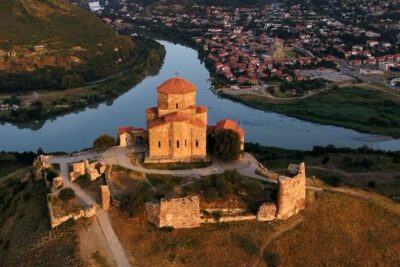
Ancient Georgia Group Tour: Mtskheta,Jvari, Gori, Uplistsikhe
Read our review →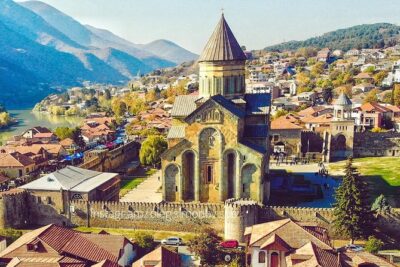
Ancient Mtskheta and Chronicle of Georgia half day tour
Read our review →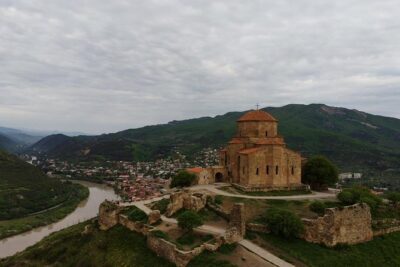
Private Day Trip to Gudauri and Kazbegi from Tbilisi via Jvari and Mtskheta
Read our review →Browse the lists this tour appears in