
Reviewed · MTSKHETA AND JVARI TOURS
Day Trip to Mtskheta Gori and Uplistsikhe
The most memorable part of this day is the sharp change in mood from Uplistsikhe’s ancient cave town to Gori’s modern political history, then on to Georgia’s great religious monuments. In one outing, you move from Iron Age rock chambers to Stalin’s railway carriage and finally to churches tied to Georgia’s conversion to Christianity.
I like the strong variety, and I like that the route reaches the farthest stop first before working back toward Tbilisi. Guides such as Nini, Dimitri, Tako, Tota, and Nene have been praised for making the history lively and clear. The main drawback is the pace: ten hours is a long day, and Uplistsikhe involves uneven ground, steps, and sun exposure.
Key points to know before booking
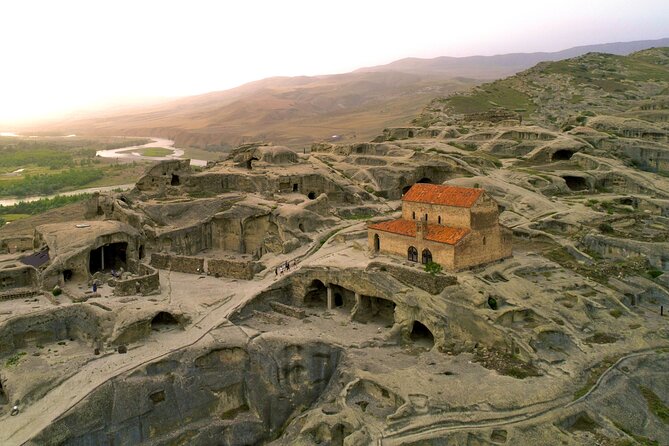
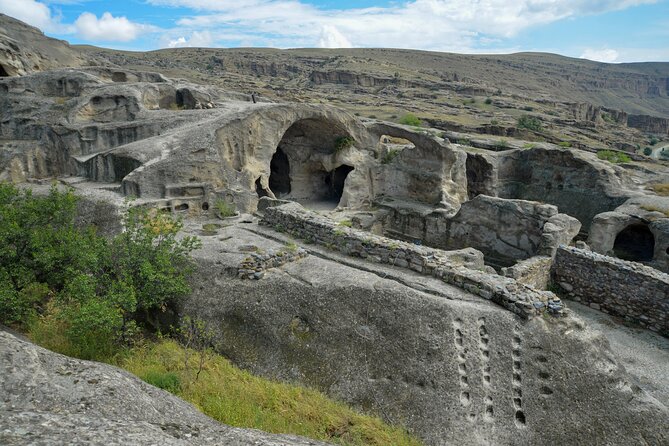
- Uplistsikhe is the visual highlight: Ancient rooms carved into rock sit above the Mtkvari River, with broad views and plenty of steps.
- The tour covers four very different subjects: Pagan and Christian traditions, medieval Georgia, Soviet power, and the old capital at Mtskheta.
- Lunch is optional: You can pay about 45 GEL for a Georgian meal in Gori or use the break as free time.
- Stalin Museum entry costs extra: The listed fee is 15 GEL, and the museum includes Stalin’s original house and railway carriage.
- The churches require suitable clothing: Shorts are not allowed, and women must cover their heads.
- Expect a full day outside Tbilisi: Departure is at 9:00 am from Avlabari and return is around 7:00 to 7:30 pm.
Why this route works so well from Tbilisi
Tbilisi is a good base for exploring central Georgia, but the key sites are spread across several towns. Visiting them independently means arranging transport to Uplistsikhe, figuring out the route between Gori and Mtskheta, and managing church opening customs and museum hours.
This outing handles the driving and gives you an English-speaking guide. At $29 per person, the basic price is strong value for a day that includes round-trip transportation and guide service. You still need to budget for Uplistsikhe, the Stalin Museum, and possibly lunch, but even with all three extras, the day remains reasonably priced for the amount of ground covered.
The route also has a good geographic logic. Uplistsikhe is the farthest major stop, then Gori, Jvari, and Mtskheta bring you back toward Tbilisi. That helps avoid spending the day crisscrossing the region.
The group may be large, with a maximum of 100 people, so this is not a private sightseeing day. On some departures, the vehicle has been a smaller Mercedes coach or a 16-passenger van, but the exact transport can vary. If you prefer personal control over stops and meal times, hire a private driver instead. If you want an affordable way to meet people and cover the main sights, this format makes sense.
more mtskheta and jvari stops
- Tbilisi:Mtskheta,Jvari,Bazaar,wine tasting,Chronicles of Georgia
★ 5.0 · 730 reviews - Mtskheta-Gori-Uplistsikhe
★ 5.0 · 112 reviews - Mtskheta, Jvari, gori, uflistsikhe, history and panorama (group tours)
★ 4.5 · 107 reviews
Uplistsikhe: Georgia’s rock-cut town
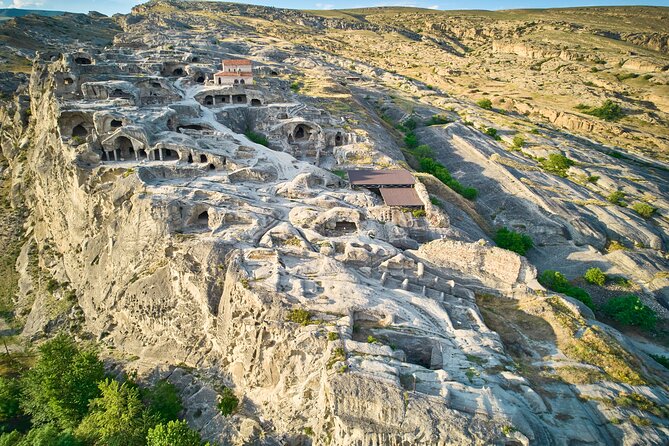
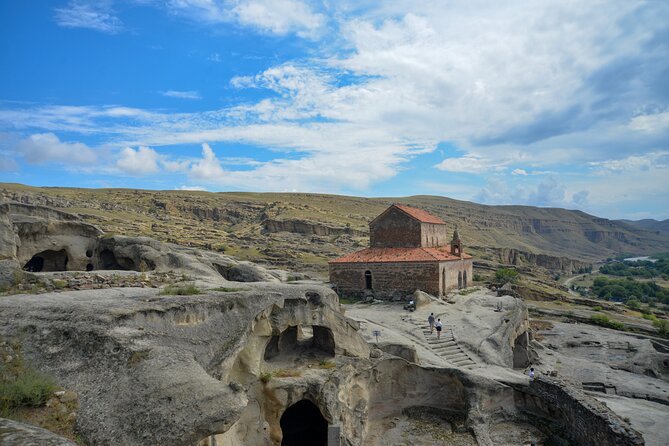
Uplistsikhe is the tour’s most unusual stop. This ancient settlement was carved into the rock on the left bank of the Mtkvari River and developed over a long period, from the Early Iron Age through the Late Middle Ages.
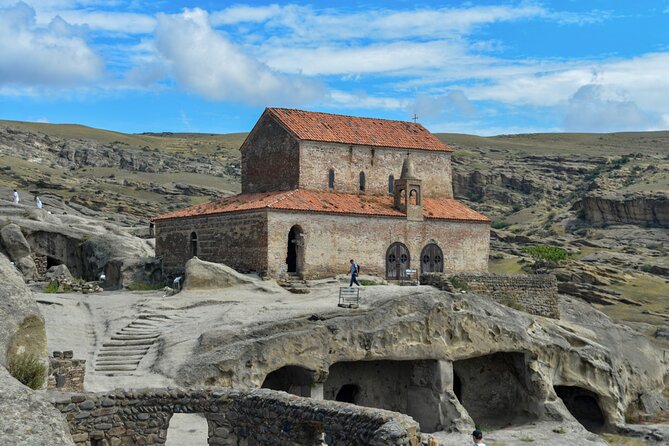
You will see chambers, passageways, carved spaces, and structures that reflect more than one era. Pagan traditions and Christian buildings appear within the same site, while the style also shows links with rock-cut cultures from Anatolia and Iran. That mix gives Uplistsikhe a quality unlike the more polished religious monuments later in the day.
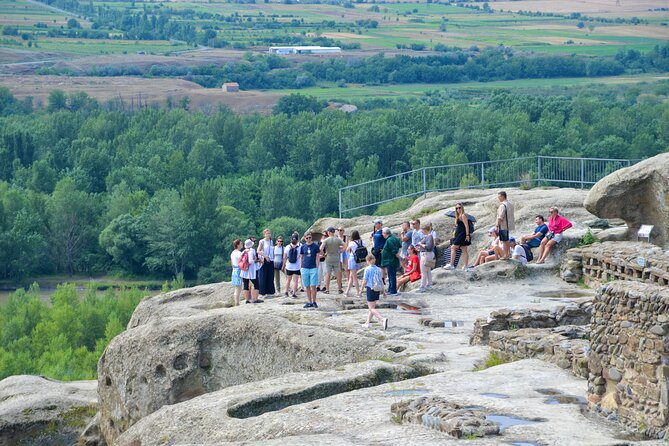
Allow about 90 minutes here. That sounds generous, but the site is spread out and the ground is not smooth. You will walk over uneven rock and climb steps, sometimes without much shade. Sensible shoes are essential, and a hat and your own bottled water are wise additions. A cafe and restrooms are near the entrance and exit, but water is not provided as part of the tour.
The reward is not just the archaeology. Uplistsikhe’s position above the river gives you wide views across eastern Georgia. The site feels exposed and elemental, especially compared with the formal churches at Mtskheta.
The admission fee is not included and is listed as 15 GEL, about $6. Keep some Georgian currency available, since the tour price covers transport and the guide but not this entrance.
Gori: lunch, free time, and a difficult past
The stop in Gori combines a meal break with a chance to consider one of the twentieth century’s most controversial political figures. Joseph Stalin was born here, and the town contains a museum devoted to his life.
The optional lunch costs about 45 GEL, or roughly $17, and is served at a local restaurant. This can be a useful choice if you want to sample Georgian food and spend time with the group. The meal has been described as generous and enjoyable, but organization may vary, and one reported experience involved cold food and poor value. I would treat lunch as a convenience rather than the central reason to book the tour.
If you skip the meal, you may receive free time in Gori instead. This gives you more independence, but the timing and exact location matter. The lunch restaurant is not necessarily in the city center, so the group may be driven there and back. Those choosing free time have used the break to explore Gori Fortress, grab a quick meal, or walk around town.
Gori has been inhabited since the Early Bronze Age and has a fortress with roots reaching back many centuries. The fortress offers views over the town and surrounding area, though it is not presented as a fully developed tourist attraction. If you want photographs and a little fresh air, it can be a better use of the break than waiting around.
The schedule allows about 90 minutes for lunch, followed by the Stalin Museum at approximately 2:45 pm. Some departures have included free time in Gori instead of museum entry, so ask your guide how the stop will work that day.
Inside the Stalin Museum
The Stalin Museum is not a neutral, modern biography. It retains many Soviet-era features, which is part of what makes the visit interesting. The displays focus on Stalin’s life, his connection to Gori, and the way his public image was presented during the Soviet period.
The museum includes Stalin’s original childhood house and his railway carriage. The carriage is a striking object because it shows the practical side of how a Soviet leader traveled, while the preserved house connects the global figure to a very local setting.
Admission is optional and costs 15 GEL, about $6. I would choose it if you have an interest in Soviet history, propaganda, or the personal story behind one of the twentieth century’s most powerful rulers. It is also a stop where a good guide matters. Guides including Nene, Paata, and Dimitri have been praised for adding context and making the displays easier to understand.
If you have little interest in Stalin or prefer outdoor sights, the free time in Gori may suit you better. The museum is not simply a quick photo stop. You need enough curiosity to think about how history is displayed, and enough time to follow the guide’s explanation.
more gori and uplistsikhe visits
- Day tour to Chronicles of Georgia, Gori city, Uplistsikhe cave
★ 5.0 · 86 reviews - Ancient Georgia Group Tour: Mtskheta,Jvari, Gori, Uplistsikhe
★ 4.5 · 73 reviews - Mtskheta – Jvari + Gori – Uplistsikhe Tour
★ 5.0 · 49 reviews - Mtskheta – Gori – Uplistsikhe caves • Private tour
★ 5.0 · 24 reviews
Jvari Monastery above the river junction
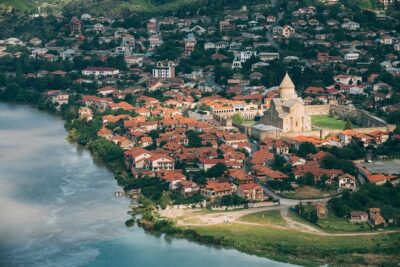
Jvari Monastery brings the day into Georgia’s religious story. The name means Monastery of the Cross, and the sixth-century Georgian Orthodox complex sits on a rocky mount above the meeting point of the Mtkvari and Aragvi rivers.
The setting is a major part of the appeal. From the hilltop, you look over Mtskheta and the river valleys, so this is the place to pause for scenery as well as architecture. The half-hour visit is short, but it works well as an introduction to Mtskheta below.
Jvari is part of the UNESCO World Heritage site that includes Mtskheta’s historic monuments. It is an active religious place, not just an archaeological ruin. Dress modestly and follow the church rules: shorts are not allowed, and women must cover their heads. A scarf is a practical item to carry throughout the day.
Weather can affect this stop more than the others. The monastery is exposed on the mountaintop, and rain or wind can make the short visit less comfortable. The tour operates in all weather, so check the forecast and bring a light waterproof layer when needed.
Mtskheta and Svetitskhoveli Cathedral
Mtskheta was the capital of the early Georgian Kingdom of Iberia from the third century BC to the fifth century AD. It later remained the coronation and burial place for many Georgian kings, giving the town importance beyond its attractive setting.
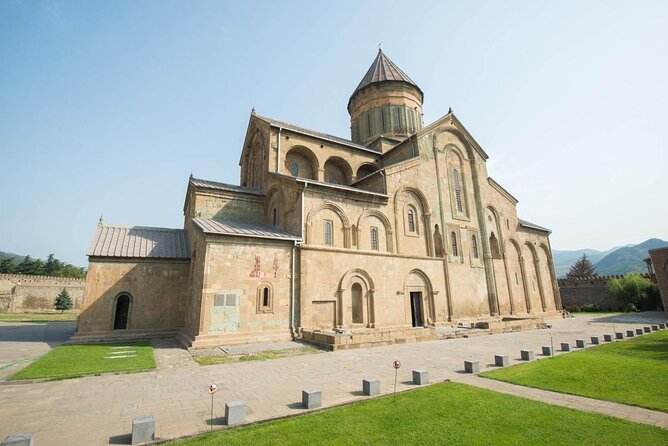
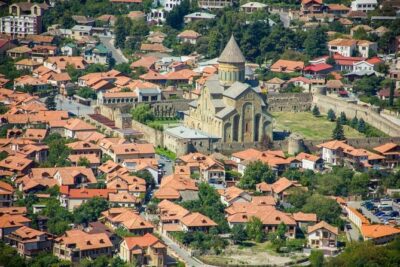
The main visit is Svetitskhoveli Cathedral, whose name is usually translated as Cathedral of the Living Pillar. It is currently the second-largest church in Georgia, after Holy Trinity Cathedral in Tbilisi, and it is one of the country’s most respected places of worship.
Georgian tradition connects the cathedral with Christ’s robe, making it a deeply venerated site. Inside, you will find a working Orthodox church with centuries of religious importance, not just a building for photographs. Your guide can help explain the legends, symbols, and place of the cathedral in Georgian Christianity.
The schedule allows about 90 minutes in Mtskheta. That is enough for the cathedral and some time around the historic center, though it may feel limited if you want a slow walk, shopping, and detailed photography. One useful feature is the possibility of adjusting the order of the stops when the cathedral is expected to be crowded. Do not assume every departure will follow the exact same sequence.
Finishing in Mtskheta can be especially pleasant late in the day. Some departures have reached the town near sunset, when the stone buildings and surrounding hills take on warmer light. Weather may spoil that effect, but the final stop still gives the route a fitting close.
Guides, vehicles, and the feel of the day
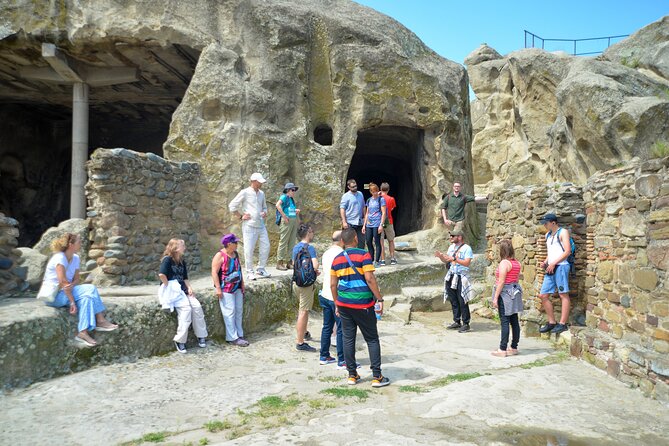
The guide can shape this tour more than any single monument. The strongest guiding style combines dates and facts with stories, legends, and a modern view of Georgian identity. Guides named Nini, Nina, Niko, Dimitri, Tako, Tota, Toka, Nene, Maria, and Paata have been praised for humor, clear English, calm organization, and historical insight.
That praise also points to the tour’s style. This is partly a guided experience and partly a self-directed one. At the outdoor sites, you receive explanation, then explore on foot at the allotted time. You should not expect a private lecture at every doorway or constant personal attention.
Transport is included, and the driving has been widely described as comfortable and safe. Georgian roads and traffic can feel energetic, so a steady driver makes a real difference. The day includes several road legs, but the route is considered manageable rather than an exhausting series of very long bus rides.
The meeting point is at Avlabari metro station, at the Traveler’s Meeting Point, about 50 meters from the station. Arrival is scheduled for 9:00 am. Check the departure message carefully, because early starts have occurred when the group was ready. The return is usually around 7:00 to 7:30 pm at the same meeting point.
What to bring and how to pace yourself
You should prepare for a full outdoor day rather than a gentle city stroll. Pack:
- Comfortable shoes with good grip
- Bottled water
- A hat and sun protection
- A scarf or other head covering for church visits
- Weather protection
- Some cash for entrance fees and lunch
The minimum age is five, and most people can take part, but Uplistsikhe is the physical test. The combination of uneven rock and steps may challenge anyone with limited mobility. You can take the site slowly, but the group schedule will still apply.
If you want the optional lunch, bring enough time and appetite for a substantial Georgian meal. If you would rather see more of Gori, choose free time and plan a simple meal yourself. That choice is one of the tour’s useful bits of flexibility.
Is this $29 day trip good value?
Yes, for the right kind of day. At $29, you get transport and an English-speaking guide to places that are awkward to combine without a car. Adding Uplistsikhe and Stalin Museum entry brings the listed extras to 30 GEL. Add the optional 45 GEL lunch and the total rises, but you are still paying a fair amount for a ten-hour outing with four major stops.
The value is strongest if you want variety. You are not paying for one polished monument. You are paying for access to an ancient cave settlement, a Soviet museum, a hilltop monastery, and Georgia’s old capital in one organized route.
The tradeoff is limited independence and a fixed schedule. Gori can produce some dead time if the group’s lunch and museum arrangements do not match your interests. The large possible group size also means you may need patience at meeting points and during explanations.
Should you book it?
Book this tour if you want a practical first look at Georgian history beyond Tbilisi, especially if Uplistsikhe and Stalin’s birthplace both interest you. It is also a good fit for solo visitors who enjoy meeting people, hearing stories, and letting someone else handle the driving.
Skip it in favor of a private trip if you dislike group schedules, want a long visit at each church, or need a slower pace at Uplistsikhe. For most visitors with one free day in Tbilisi, though, this is a well-priced and unusually varied route. Just bring water, wear proper shoes, and decide in advance if your priority in Gori is lunch, the museum, or the fortress.
FAQ
Where does the tour start?
It starts at the Traveler’s Meeting Point near Avlabari metro station in Tbilisi, about 50 meters from the station.
What time does the tour leave?
The scheduled start time is 9:00 am.
When does the tour return to Tbilisi?
The tour ends back at the meeting point around 7:00 to 7:30 pm.
Is transportation included?
Yes. Round-trip transportation and professional guide service are included.
Is lunch included?
No. Lunch is optional and listed at 45 GEL, about $17 per person.
Are entrance fees included?
No. Uplistsikhe is listed at 15 GEL, and the Stalin Museum is listed at 15 GEL. The museum visit is optional.
What clothing is required at the churches?
Shorts are not allowed inside a church, and women must cover their heads.
Is Uplistsikhe difficult to walk around?
The site includes uneven ground and many steps. Sensible footwear, a hat, and your own bottled water are recommended.
Can I cancel the tour for a refund?
You can cancel at least 24 hours before the start time for a full refund. Cancellations or changes made less than 24 hours before departure are not accepted for a refund.
More 1-Day Tours in Tbilisi
- Day Trip to Kakheti Wine Region Including 9 Wine Tastings
★ 5.0 · 2,774 reviews - Day Trip to Kazbegi and Gudauri
★ 5.0 · 2,009 reviews - Day Trip to Armenia Including Homemade Lunch
★ 5.0 · 1,162 reviews - Day Trip to Gudauri and Kazbegi Including 4WD
★ 5.0 · 673 reviews
Recently added around Tbilisi
- 2-Day Private Wine Tour to Kakheti from Tbilisi★ 5.0 · 3 reviews
- 17 Day Private Tour through Georgia★ 5.0 · 3 reviews
- Tbilisi and Mtskheta cities private, cultural tour★ 5.0 · 3 reviews
- Kakheti wine region – Private Tour★ 5.0 · 3 reviews
- Kakheti With Top Destinations★ 5.0 · 3 reviews
- Tbilisi City Tour with Street Photography★ 5.0 · 3 reviews
- Jvari monastery & Mtskheta – Half day group tour from Tbilisi★ 5.0 · 3 reviews
- Tbilisi City, Jvari Monastery, Uplistsikhe caves, Mtskheta city Private Day Trip★ 4.5 · 3 reviews
Mtskheta and Jvari Tours, compared.
Mtskheta,Jvari,Bazaar,wine tasting,Chronicles of Georgia
Read our review →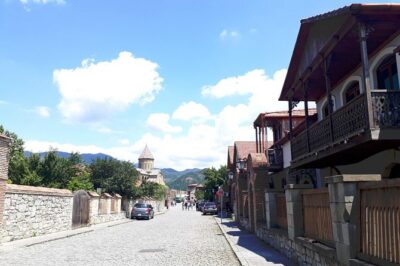
Mtskheta, Jvari, gori, uflistsikhe, history and panorama (group tours)
Read our review →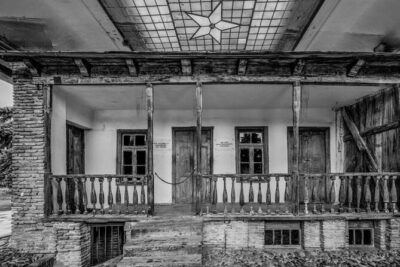
Jvari-Uplistsike-Chronicle of Georgia, PRIVATE Trip
Read our review →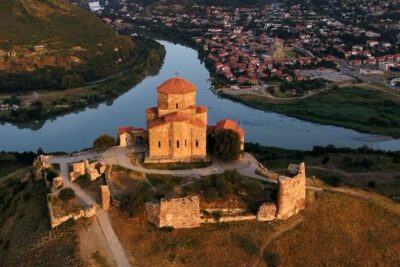
Ancient Georgia Group Tour: Mtskheta,Jvari, Gori, Uplistsikhe
Read our review →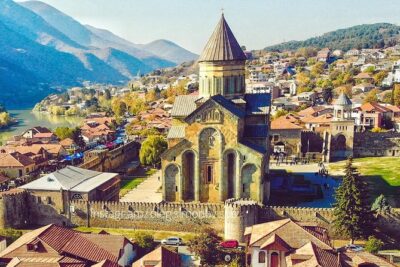
Ancient Mtskheta and Chronicle of Georgia half day tour
Read our review →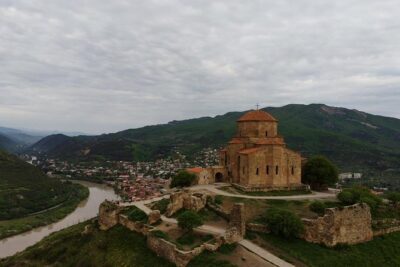
Private Day Trip to Gudauri and Kazbegi from Tbilisi via Jvari and Mtskheta
Read our review →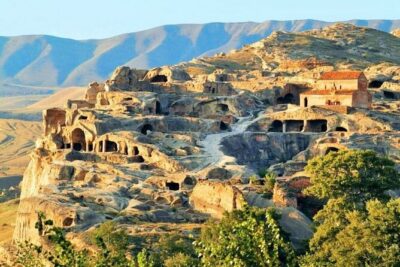
Browse the lists this tour appears in