
Reviewed · MTSKHETA AND JVARI TOURS
One-day tour in ancient Mtskheta, Gori and Uplistsikhe
Georgia packs a remarkable amount of history into a short stretch of road. In one long day from Tbilisi, you move from a hilltop monastery and Georgia’s old capital to Stalin’s birthplace and a prehistoric cave city carved into rock. Jvari and Uplistsikhe give the day its strongest sense of place.
I like two things right away: the route covers several very different parts of Georgian history, and the tour removes the need to arrange transport between them. The air-conditioned vehicle, bottled water, pickup, and professional guide service make a busy day easier to manage.
The main drawback is the pace. Ten hours is a lot of time on the road, and each stop gets a limited window. Admission to the Stalin Museum and Uplistsikhe is extra, and the tour does not include lunch, so you should plan for a full day rather than a relaxed outing.
Key points to know before booking
- Four major historical settings in one day: Visit Jvari Church, Mtskheta, Gori Fortress, Stalin’s Museum, and Uplistsikhe.
- A strong guide can shape the experience: Aleko has led this route and is specifically noted for making the day informative and enjoyable.
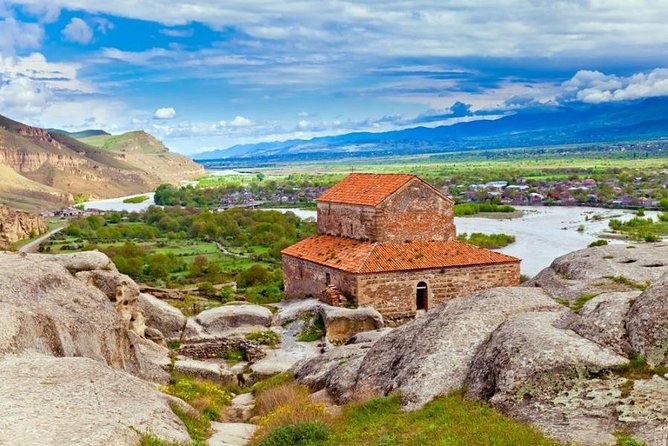
- The views begin at Jvari: The monastery looks over the meeting point of the Mtkvari and Aragvi rivers and the old capital below.
- Uplistsikhe requires extra planning: Its admission fee is not included, and the rocky site deserves sturdy, comfortable footwear.
- Gori adds a more complicated chapter: Stalin’s museum preserves its Soviet-era style and presents a focused look at a Georgian-born ruler of the Soviet Union.
- The group stays manageable: The maximum group size is 20 people, with pickup offered and mobile tickets accepted.
Why this route works as a full day from Tbilisi
I see this trip as a compact introduction to central Georgia. It connects religious landmarks, royal history, medieval warfare, Soviet memory, and ancient settlement archaeology without asking you to change hotels or organize several separate day trips.
The route also has a useful rhythm. Jvari gives you a high viewpoint and a quick introduction to Georgia’s conversion to Christianity. Mtskheta brings you down into an old town and a major cathedral. Gori shifts the subject to military history and Soviet politics. Uplistsikhe ends the day with open-air ruins and a far older past.
That variety is the tour’s main value. If you visited each place independently, transport, timing, and navigation would take more work. At $50.13 per person, the price is reasonable for a 10-hour outing that includes the vehicle, fuel surcharge, bottled water, pickup, and guide service.
The price does not cover lunch or entry to the Stalin Museum and Uplistsikhe. Those costs are separate, and no admission prices are provided here, so I would keep extra Georgian lari available. The tour is best judged as a transport and guiding package, not as an all-inclusive day.
more mtskheta and jvari stops
- Day Trip to Mtskheta Gori and Uplistsikhe
★ 5.0 · 1,801 reviews - Tbilisi:Mtskheta,Jvari,Bazaar,wine tasting,Chronicles of Georgia
★ 5.0 · 730 reviews - Mtskheta-Gori-Uplistsikhe
★ 5.0 · 112 reviews
Jvari Church and the meeting of two rivers
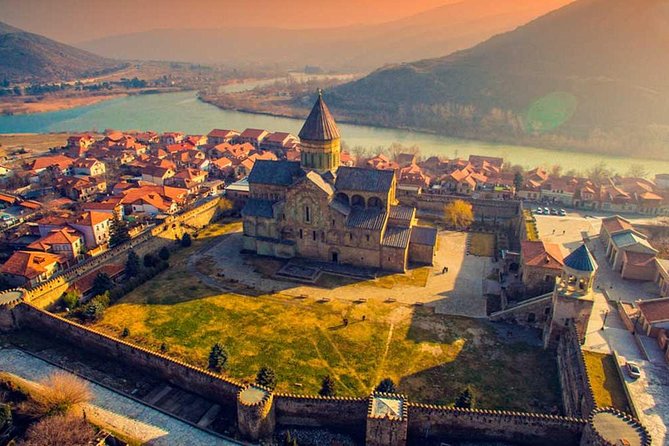
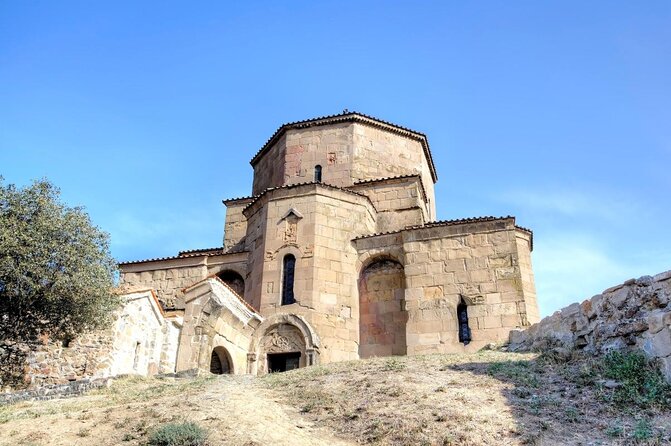
The first stop is Jvari Monastery, a sixth-century Georgian Orthodox site on a rocky hill above Mtskheta. Its location is the real opening scene: the Mtkvari and Aragvi rivers meet below, with the former capital spread out beneath the hill.
The story begins even earlier. After Georgia adopted Christianity, King Mirian III placed a large wooden cross on this hill to mark the new faith. In the second half of the sixth century, Guaram, the ruler of Kartli, built a small church beside the Holy Cross.
You get about 20 minutes here, with no admission fee listed. That is enough to see the church and take in the view, but it is not a long visit. I would use the time well by looking at the setting as much as the stonework. Jvari was chosen for its religious meaning, but the hilltop also made it a powerful place to watch the surrounding area.
The short stop may feel rushed if you want quiet time inside the monastery. Still, as an opening to the day, it works well. You begin with one of Georgia’s major sacred sites and get an immediate sense of why Mtskheta became such an important center.
Mtskheta and Svetitskhoveli Cathedral
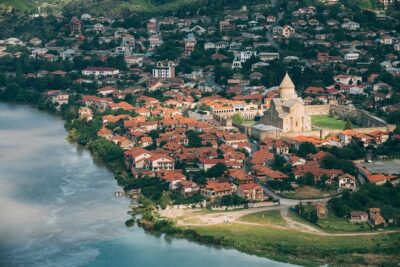
From Jvari, the tour continues to Mtskheta, the former capital of the Kingdom of Iberia. The old town is a contrast to the exposed hilltop above it. Here, you can walk through streets lined with attractive balconies and see the architecture of a place that once held political importance for the region.
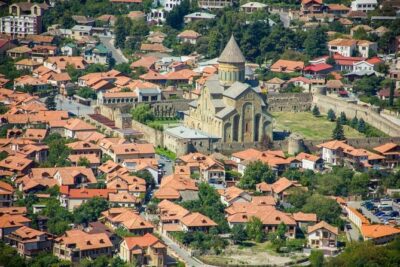
The main stop is Svetitskhoveli Cathedral, an Eastern Orthodox church and a UNESCO World Heritage Site. The current cathedral dates to the 11th century and is the second-largest church building in Georgia after Tbilisi’s Holy Trinity Cathedral.
You have about 30 minutes, again with no admission fee listed. That gives you time to enter the cathedral, take in its scale, and walk through the surrounding old town. I would not expect a detailed architectural study in half an hour, but the visit gives you the essential view of Mtskheta.
Svetitskhoveli is also tied to one of Georgia’s best-known religious legends. According to the story, Elioz brought the tunic of Jesus Christ from Jerusalem to Mtskheta. His sister Sidonia died when she touched it, and she was buried with the tunic. A cedar of Lebanon then grew from her grave, and the story connects that tree to the church’s origins.
You do not need to accept the legend as literal history to understand its importance. It explains why this cathedral carries such weight in Georgian religious life. I find the stop most rewarding when you pay attention to both layers: the old capital outside and the sacred tradition inside.
Gori Fortress above the city
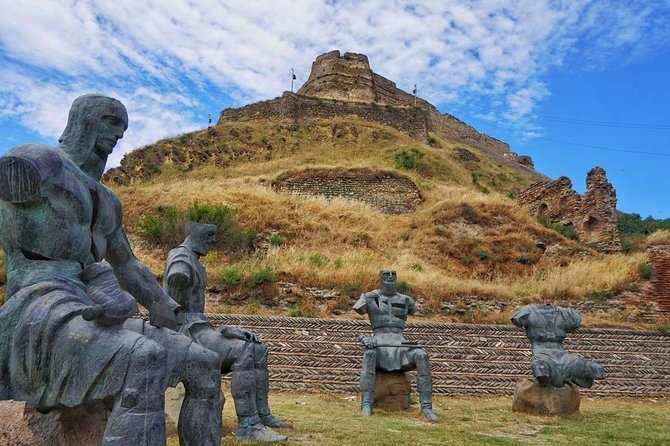
Gori changes the tone again. The city is known as the birthplace of Joseph Stalin, but before reaching the museum, the tour visits Gori Fortress, a 13th-century castle on a hill above town.
The fortress has had a hard political life. Ottoman forces captured it in the 16th century, and control later shifted among the Turks, Georgians, and Persians. Much of what you see today dates from the 17th and 18th centuries, while a 6.2-magnitude earthquake in 1920 caused major damage.
The planned visit lasts about 30 minutes and has no listed admission fee. This is a good place to look outward across Gori and to understand why the high ground mattered. The remains are not a fully restored castle, so you should expect weathered stone and partial structures rather than furnished rooms or a polished museum presentation.
I like that the fortress comes before the Stalin Museum. It keeps Gori from becoming only a biography stop. You see the city’s older military role first, then move into the modern political story that made it internationally famous.
more gori and uplistsikhe visits
- Mtskheta, Jvari, gori, uflistsikhe, history and panorama (group tours)
★ 4.5 · 107 reviews - Day tour to Chronicles of Georgia, Gori city, Uplistsikhe cave
★ 5.0 · 86 reviews - Ancient Georgia Group Tour: Mtskheta,Jvari, Gori, Uplistsikhe
★ 4.5 · 73 reviews - Mtskheta – Jvari + Gori – Uplistsikhe Tour
★ 5.0 · 49 reviews
The Stalin Museum and a difficult subject
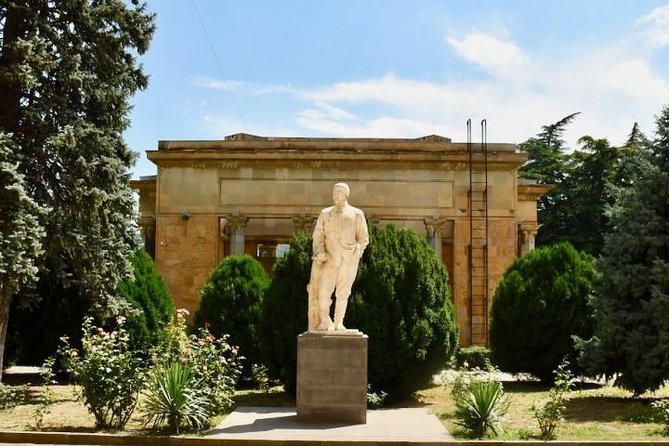
The Joseph Stalin Museum is dedicated to the Soviet leader who was born in Gori. The museum includes his birthplace, museum displays, and a train wagon. The visit lasts about 45 minutes, and the entrance fee is not included.
The museum retains its Soviet-era characteristics. That detail matters. You are not entering a neutral, recently redesigned account of Stalin’s life. The atmosphere and presentation reflect the period in which the museum was created, so you should pay attention to how the story is told as well as to the objects on display.
The material is presented in Georgian and Russian. If you do not read either language, an English-speaking guide or explanation will be especially useful. One account of the tour specifically recommends going through the displays with an English-speaking interpreter when possible. Ask Evatour in advance what language support will be available, since the general information confirms professional guiding but does not specify the guide’s language for every departure.
Aleko is the guide name connected with this experience. He has handled a solo departure after another booking was canceled for lack of numbers, without charging an extra fee. That suggests some flexibility in how Evatour manages small departures, though the tour can also run with up to 20 people.
The museum may be fascinating, uncomfortable, or both. I would not treat it as a simple tribute to a famous local son. Use the visit to think about memory, propaganda, and the way a hometown presents a controversial leader. The train wagon and birthplace add a personal scale, while the museum’s displays place Stalin within the Soviet system.
Because the stop lasts 45 minutes, you will get an overview rather than a long study session. The separate entrance fee is another cost to remember, but for many visitors this will be the one stop that makes Gori more than a passing town on the road.
Uplistsikhe, Georgia’s rock-cut city
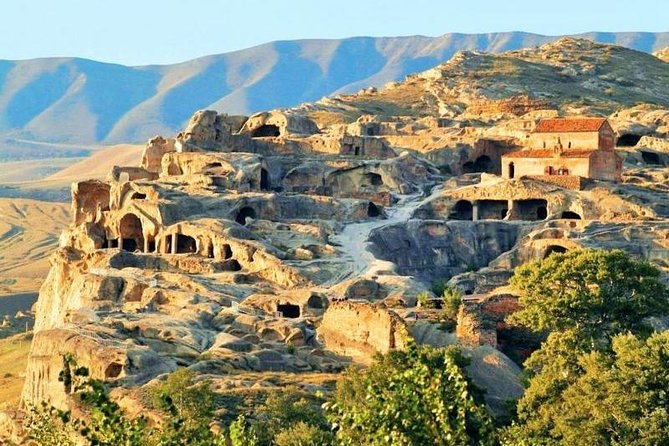
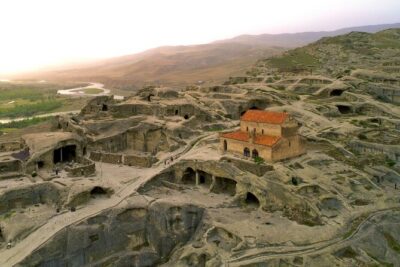
Uplistsikhe is the day’s most unusual site. Its name means fortress of the lord, and archaeologists identify it as one of Georgia’s oldest urban settlements. The site goes back to the second or first millennium BC and became a political and religious center in the ancient kingdom of Kartli, also known as Iberia in classical sources.
At Uplistsikhe, the city is cut into rock rather than built in the usual way. You see chambers, passages, and remains spread across an open archaeological site. The settlement later sat on a trade route connecting Byzantium with India and China, which helps explain its importance during the Middle Ages.
The tour allows one hour here, and admission is extra. I consider that the minimum useful amount of time for a first visit. The site has enough variety to reward a careful walk, but the schedule does not leave much room for a slow exploration.
Wear comfortable shoes. The information supplied for the tour does not specify the exact walking conditions, so I would avoid treating this as a quick roadside photo stop. Rock-cut settlements naturally involve uneven surfaces, and you will get more from the visit if you can move comfortably.
Uplistsikhe also provides the clearest contrast with the morning. Jvari and Svetitskhoveli show Georgia’s Christian identity. Uplistsikhe reaches back to pre-Christian Georgia and the older religious and political world that came before it.
The site’s traditional foundation story credits Uplos, the son of Mtskhetos and grandson of Kartlos. That legend links the cave city to the same family of origin stories associated with Mtskheta. You do not need to memorize the names to appreciate the point: Georgian tradition uses these ancient places to explain the beginnings of the country itself.
The guide and the group size matter
A 10-hour tour can be tiring, so the guide matters more here than on a short city walk. You need someone who can connect the stops rather than simply point out buildings. Aleko is specifically associated with this route, and his ability to make a small, solo departure work is useful information if you are booking alone.
The maximum group size is 20 people. That is not a private tour, but it is still limited enough to keep the vehicle and group from becoming unwieldy. The actual group may be smaller, and the operator requires a minimum number for some departures.
Pickup is offered, which is valuable for an early start and for anyone staying away from central transport links. The vehicle is air-conditioned, and bottled water is included. Those details sound modest, but they matter on a long road day with several stops.
Confirmation arrives at booking, and you can use a mobile ticket. The tour is near public transportation, and the supplied information says most people can participate. No specific accessibility details are provided, so ask the operator directly if you have mobility needs, especially for Uplistsikhe.
Food, timing, and what to carry
Lunch is not included. The tour information does not set out a lunch stop or meal plan, so you should ask Evatour about the day’s break or carry something suitable. Do not assume that the schedule will provide a long restaurant meal, since five sightseeing stops already fill much of the day.
I would carry water beyond the included bottle, sun protection, and a small amount of cash for admission and food. The most important practical item is comfortable footwear for the fortress and cave town.
The schedule gives 20 minutes at Jvari, 30 minutes at Svetitskhoveli, 30 minutes at Gori Fortress, 45 minutes at the Stalin Museum, and one hour at Uplistsikhe. These times are useful because they show the tour’s character: several focused visits rather than long, unstructured stays.
You should also expect travel time between locations. The total duration is about 10 hours, so this is not the right pick if you want an easy afternoon or long café breaks in Mtskheta. It is a good fit if you want to see a lot in one day and accept that some stops will be introductions.
Is $50.13 good value?
At $50.13 per person, I think the tour offers solid value for a first visit to this part of Georgia. You receive an air-conditioned vehicle, fuel surcharge, bottled water, professional guide service, and pickup. The route would be awkward to reproduce efficiently without your own vehicle.
The value is strongest for solo visitors, first-time visitors to Georgia, and anyone who wants historical context while moving between sites. A private taxi could offer more control over timing, but the quoted price does not promise a private vehicle. A larger group can keep the cost down, while a group of 20 may feel less personal than a private outing.
Remember the additional costs. The Stalin Museum and Uplistsikhe require separate admission, and lunch is not covered. Since exact fees are not supplied, I would compare the total expected cost before booking rather than looking only at the headline price.
There is also a useful safety net in the cancellation terms. You can cancel for a full refund up to 24 hours before the local start time. Changes or cancellations within 24 hours are not refunded, and a departure canceled because it does not reach the minimum number of participants gives you the choice of another date or experience, or a full refund.
Who should book this day trip?
I would recommend it to you if you want a broad, efficient introduction to Georgian history outside Tbilisi. It suits people who enjoy moving between different periods and do not mind a full schedule. Families and most able-bodied visitors can likely take part, based on the supplied participation information, though Uplistsikhe may require extra care.
It is also a strong choice if you are traveling alone. The operator has arranged a solo tour without an extra charge after a group cancellation, and Aleko is a useful name to request if available.
I would hesitate if your priority is slow photography, long time inside churches, or a detailed museum study. You may find the 20-to-60-minute stops too brief, and the Stalin Museum’s Georgian and Russian presentation may limit what you understand without language help.
Should you book the Mtskheta, Gori, and Uplistsikhe tour?
Book this tour if you want maximum historical variety in one organized day from Tbilisi. Jvari’s river views, Mtskheta’s cathedral, and Uplistsikhe’s rock-cut rooms give you experiences that feel genuinely different, while Gori adds a complicated modern chapter.
Before paying, confirm the pickup point, guide language, expected lunch arrangement, and current entrance fees. If those details work for you, $50.13 is a fair price for the transport and coverage. If you prefer depth over range, choose a slower private trip. For a first look at this corner of Georgia, this route gives you a lot for one day.
FAQ
How long does the tour last?
The tour lasts approximately 10 hours.
What places are included?
The route includes Jvari Church, Svetitskhoveli Cathedral in Mtskheta, Gori Fortress, the Stalin Museum, and Uplistsikhe Cave Town.
Is pickup available?
Yes. Pickup is offered, and the tour also accepts mobile tickets.
Are entrance fees included?
No. Admission to the Stalin Museum and Uplistsikhe is not included. No exact entrance prices are provided.
Is lunch included?
No. Lunch is not included in the tour price.
What is the cancellation policy?
You can cancel at least 24 hours before the start time for a full refund. Cancellations or changes made less than 24 hours before the start time are not refunded or accepted.
Recently added around Tbilisi
- 2-Day Private Wine Tour to Kakheti from Tbilisi★ 5.0 · 3 reviews
- Kakheti wine region – Private Tour★ 5.0 · 3 reviews
- 17 Day Private Tour through Georgia★ 5.0 · 3 reviews
- Tbilisi and Mtskheta cities private, cultural tour★ 5.0 · 3 reviews
- Kakheti With Top Destinations★ 5.0 · 3 reviews
- Tbilisi City Tour with Street Photography★ 5.0 · 3 reviews
- Jvari monastery & Mtskheta – Half day group tour from Tbilisi★ 5.0 · 3 reviews
- Tbilisi City, Jvari Monastery, Uplistsikhe caves, Mtskheta city Private Day Trip★ 4.5 · 3 reviews
Mtskheta and Jvari Tours, compared.
Mtskheta,Jvari,Bazaar,wine tasting,Chronicles of Georgia
Read our review →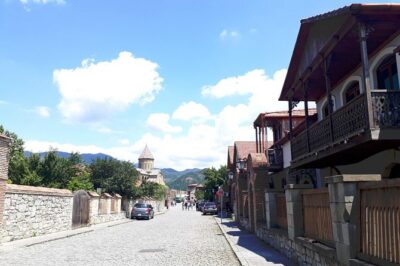
Mtskheta, Jvari, gori, uflistsikhe, history and panorama (group tours)
Read our review →
Jvari-Uplistsike-Chronicle of Georgia, PRIVATE Trip
Read our review →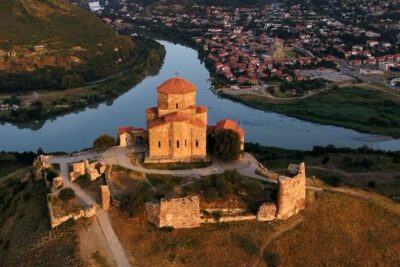
Ancient Georgia Group Tour: Mtskheta,Jvari, Gori, Uplistsikhe
Read our review →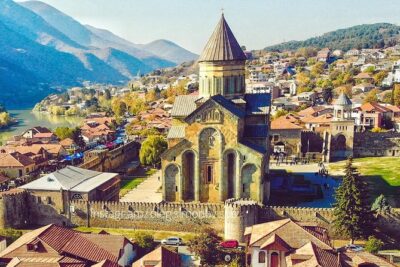
Ancient Mtskheta and Chronicle of Georgia half day tour
Read our review →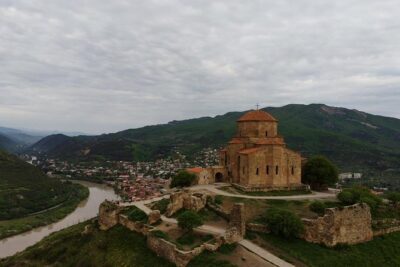
Private Day Trip to Gudauri and Kazbegi from Tbilisi via Jvari and Mtskheta
Read our review →Browse the lists this tour appears in