
Reviewed · TBILISI TOURS
Nana’s Kitchen – traditional Georgian cooking class at real Georgian family home
Georgian food makes the most sense around a table, and Nana’s Kitchen lets you learn it in the setting where it belongs: a real family home. Nana and her daughter Nina guide you through five dishes, then turn the meal into a traditional Supra, complete with homemade wine and the warm hosting rituals that make Georgian dining special.
I like the hands-on cooking and the way the class explains the stories behind the food, not just the chopping and stirring. I also like that you leave with recipes, and in some cases starter spices or a box of leftovers, so the evening can continue in your own kitchen.
The main consideration is timing. This is an evening activity, with hours listed from 7 to 11 PM, and the meal is designed to be enjoyed at a relaxed Georgian pace. If you want a quick cooking lesson, this may feel long. If you want dinner, conversation, wine, and culture in one sitting, that extra time is part of the value.
Key points to know before booking
- Cook in a family home: The class takes place at 26 Guram Rcheulishvili Street in Tbilisi, rather than in a standard restaurant classroom.
- Learn the meaning of Supra: The evening explains how Georgian feasts work, including the importance of food, wine, hospitality, and celebration.
- Make five Georgian dishes: The sample menu includes spinach paste, walnut-filled red peppers, walnut eggplant, and chakapuli or chakhokhbili.
- Meet Nana and Nina: The family leads the cooking with patient explanations and practical demonstrations.
- Finish with a real meal: You eat what you prepare in the traditional style of a Georgian feast.
- Take-home value: A recipe booklet is included, and some visitors have also received spices or leftovers.
Why this Tbilisi cooking class feels different
Many cooking classes teach a recipe and send you home. Nana’s Kitchen teaches you how food fits into Georgian life.
The evening opens with a glass of homemade Georgian wine from the family vineyards. That first drink is not just a welcome gesture. It sets up the central lesson of the night: Georgian food is meant to be shared, and a meal is often a social event with its own rhythm and customs.
You’ll hear about the origins of Georgian cooking and the outside influences that helped shape it. The focus remains practical, though. After the introduction, you move into the kitchen, roll up your sleeves, and start preparing the food yourself.
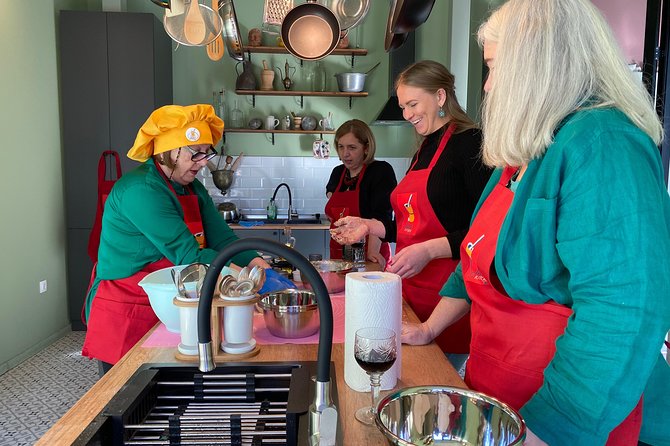
That balance matters. You are not simply watching Nana cook while someone else handles the work. Nana and Nina demonstrate the steps, explain what to do, and let you make the dishes under their guidance. The class is private, so only your own group participates. That gives the session a more personal feel than a large class where you might struggle to see the instructor or ask questions.
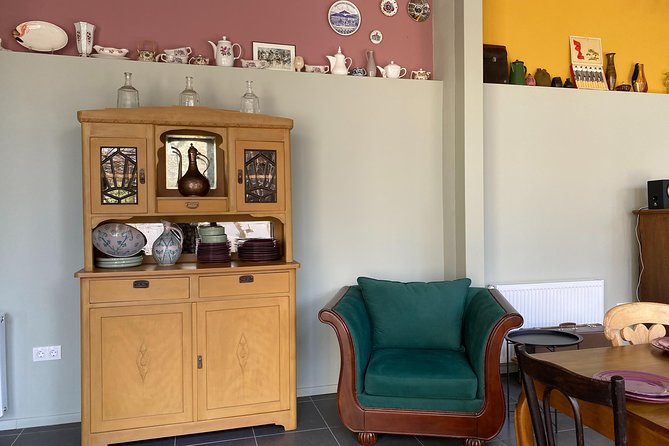
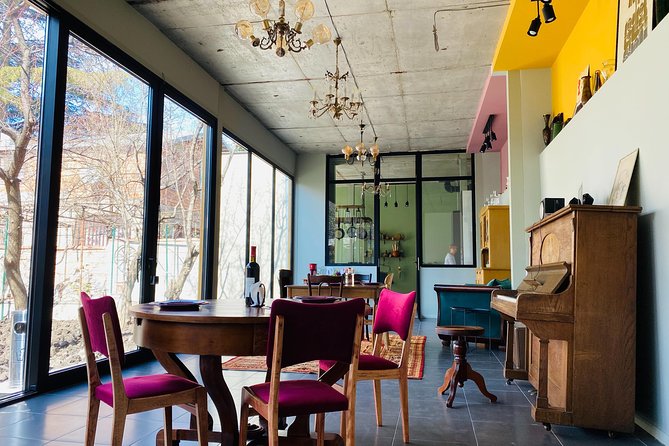
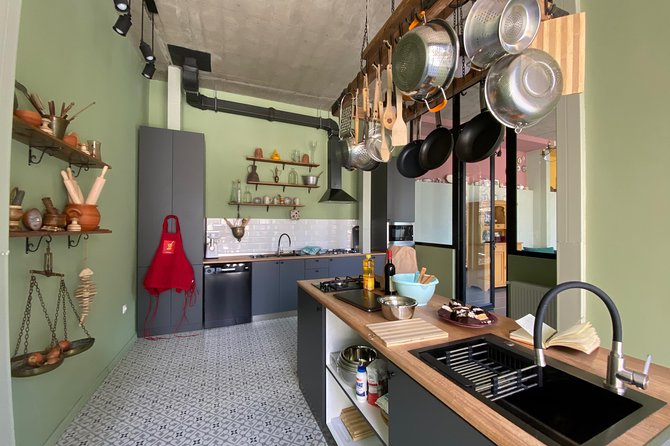
The family setting is also part of the lesson. You get a look at the kitchen and living space, and the evening feels closer to being welcomed into a Georgian household than attending a formal culinary demonstration.
more cooking classes in Tbilisi
- Small-Group Khinkali and Khachapuri Cooking Class in Tbilisi
★ 4.5 · 224 reviews - Cook True Ajarian Khachapuri and Khinkali in Highlanders Style
★ 5.0 · 93 reviews - Join a Local for a Market Tour, Cooking Class and Meal in her Tbilisi Home
★ 5.0 · 15 reviews
The opening wine and the meaning of Supra
The first part of the experience introduces Supra, the Georgian feast. This is the cultural heart of the class.
A Supra is not simply a large dinner. It is a way of gathering people together around food, wine, conversation, and celebration. The meal has a traditional manner of hosting, and the class shows you how the dishes fit into that wider custom.
For you, this means the evening has more depth than a list of recipes. You learn why Georgians place such importance on generosity and shared meals. You also get a useful idea of how to host your own Georgian-style dinner at home after the trip.
The homemade wine is another personal touch. It comes from the family’s vineyards, and it gives you a chance to taste Georgian wine in the context of the family that serves it. The wine was repeatedly singled out as a highlight of the evening, but keep in mind that this is an evening with alcohol. If you do not drink, you should make your needs clear when booking or arriving.
Five dishes, with walnuts at the center
The recipes reflect a strong feature of Georgian cooking: the clever use of walnuts, herbs, vegetables, and spices to create food that is full of character without depending on heavy sauces.
The sample menu includes a traditional spinach paste. This gives you an introduction to the kind of vegetable preparation found in Georgian cuisine, where greens can be turned into a seasoned dish with a texture and flavor far beyond a plain side salad.
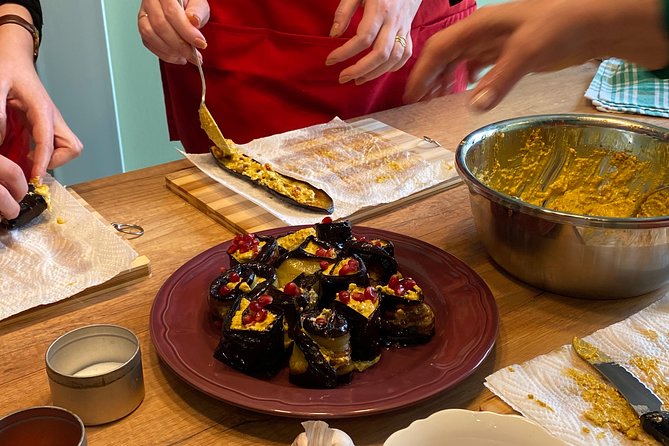
You also prepare red peppers with a traditional walnut and spice mix. This is a good example of how Georgian cooks use nuts as a savory base. The walnuts add body, while the seasoning brings the dish together.
Fried eggplant with walnuts is another featured dish. It is a familiar vegetable prepared in a distinctly Georgian way, with the walnut mixture providing the main flavor and texture. If you enjoy eggplant or vegetarian food, this part of the class should be especially useful.
For the main course, the menu lists chakapuli, a dish of veal with tarragon, when it is in season. At other times, the alternative is chakhokhbili. Because the menu can vary, you should expect a seasonal or menu-based choice rather than one fixed set of dishes every night.
The full class teaches five dishes, though the sample menu names four main preparations and the seasonal alternative. A cooking class review also singled out chicken soup as exceptional, so the menu may include additional dishes or vary by occasion. Ask Nana about the exact menu if a particular dish matters to you.
You are not promised restaurant-style perfection on your first try. That is a good thing. The purpose is to learn techniques you can repeat at home, and the guidance helps you understand how each dish comes together.
Cooking with Nana and Nina
The strongest part of the experience is the family instruction.
Nana leads the class with help from Nina and other family members. The teaching style is patient and personal. You get demonstrations, explanations, and time to work through each step yourself. The tone is relaxed, with plenty of room for conversation and questions.
Several details make this useful for a first introduction to Georgian food. Nana explains the ingredients and where certain dishes come from. She also shares practical tricks that help you understand the cooking rather than blindly follow a recipe.
The class has been compared to learning from a grandmother. That description fits the atmosphere better than calling it a professional workshop. You should expect warmth, patience, and generous hosting rather than a tightly timed culinary school lesson.
The private format helps here. If you are traveling as a couple, family, or small group of friends, you can focus on your own pace. A private activity also gives you more space to ask about ingredients, substitutions, and Georgian dining customs.
One point to remember: the experience is offered in English, but the class is still a family gathering with conversation flowing naturally. If you want a highly technical lesson with exact measurements for every stage, you may need to ask questions as you go.
more days out of Tbilisi to compare
- Taste of Kakheti: Wine Tour Bread Baking & Churchkhela Workshop
★ 4.5 · 46 reviews - Georgian Dance Class in Tbilisi, Georgia
★ 5.0 · 10 reviews - Taste of Georgia. Cooking-Class Khinkali, Khachapuri and more
★ 5.0 · 7 reviews - Mtskheta: Exploring Heritage and Cuisine through Cooking Classes
★ 5.0 · 5 reviews
The final meal is part of the lesson
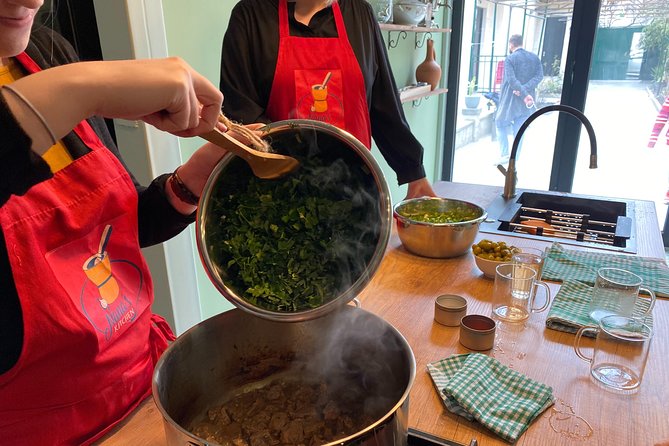
After the cooking, you sit down to eat what you have prepared. This is not an afterthought or a rushed tasting.
The dinner follows the traditional manner of a Supra, so the final meal demonstrates the very customs introduced at the beginning. You get to see how the dishes work together on a Georgian table and how food becomes a reason to linger.
That makes the meal more valuable than a simple reward for finishing the class. It lets you compare the flavors, notice how the dishes balance each other, and understand why Georgian food is often served for sharing.
The food portions are described as generous, and some people have been given leftovers in a take-out box. That is not guaranteed, but it tells you something about the family’s approach to hospitality. Come hungry, especially if you plan to enjoy the wine and the full dinner.
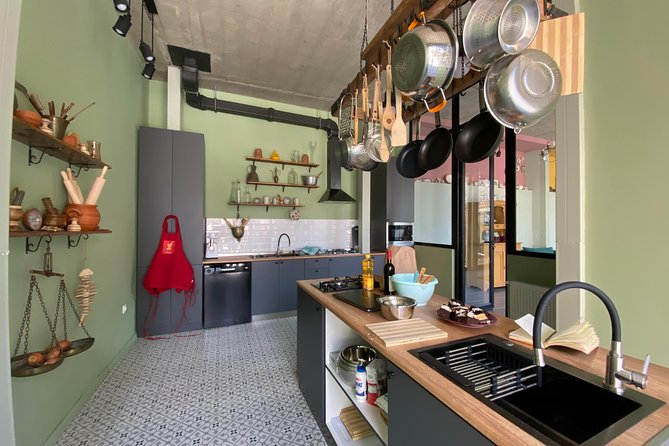
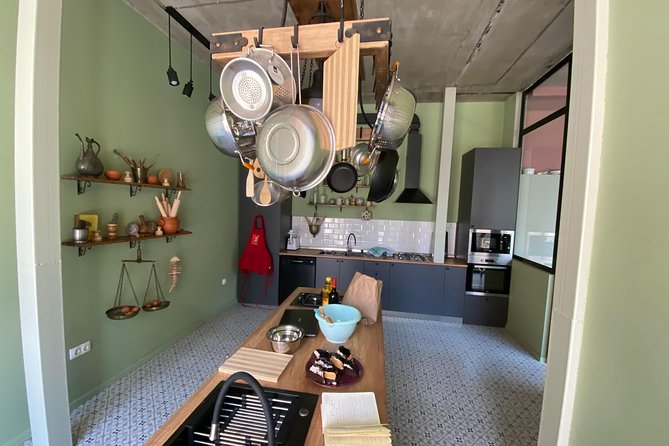
The setting also adds to the final course. The kitchen and living room are described as clean, stylish, and inviting, with a garden kitchen studio mentioned as part of the experience. Since this is a home-based class, the atmosphere is likely to feel more intimate than polished in a commercial way.
What the $110 price includes
At $110 per person, Nana’s Kitchen is not a budget meal or a basic market tour. You are paying for a private, three-hour cooking and dining experience, instruction from the host family, homemade wine, five dishes, the Supra lesson, and a recipe booklet.
The value depends on what you want from an evening in Tbilisi.
If your goal is simply to eat Georgian food as cheaply as possible, a restaurant will cost less. If you want a formal cooking school with a professional kitchen and a strict curriculum, another class may suit you better.
I think the price makes more sense if you count the whole evening as dinner, cultural instruction, and a private family experience. You are not only learning how to prepare food. You are also learning how Georgians host a feast, tasting wine from the family vineyards, and receiving recipes you can use later.
The take-home booklet adds lasting value. The class is built around dishes that are intended to be recreated at home, and the recipes give you a practical souvenir rather than another object in your luggage. Some people have also received starter spices, but that should be treated as a kind extra, not a guaranteed inclusion.
Timing, location, and practical details
The meeting point is 26 Guram Rcheulishvili Street, Tbilisi 0179, Georgia. The activity ends back at the same location, so you do not need to arrange a separate return point.
The listed operating hours are Monday through Friday from 7 PM to 11 PM. The tour duration is approximately three hours, so allow room for a relaxed finish rather than planning a tightly timed event afterward.
This schedule works well on an evening when you want to stay in and enjoy dinner. It is less convenient if you have a late performance, another evening tour, or an early morning departure the next day.
The activity is offered in English and includes a mobile ticket. It is near public transportation, and service animals are allowed. Confirmation is received at booking.
The experience is non-refundable and cannot be changed for any reason. That is important when planning a private activity. Do not book until you are confident about your date and group.
The class is suitable for couples, families, and small groups who want to cook together. Since only your group participates, it can also work well for a birthday or a special holiday evening. One person even used it as a Thanksgiving activity, turning the class into the main celebration of the day.
Who will enjoy Nana’s Kitchen most
You should consider this class if you want to connect Georgian food with Georgian family life. It is a particularly good choice if you enjoy meeting local people, cooking with your hands, and staying at the table after the work is done.
It also suits you if you want recipes that are realistic to prepare at home. The dishes use distinctive Georgian flavors, but the class is designed to make them repeatable. The recipe booklet helps turn the experience into something you can share with friends after returning home.
Families may like the gentle teaching style and the private setting. Couples can treat it as a dinner date with a cooking lesson attached. Solo visitors can get a more personal introduction to Georgian hospitality, though the private format means you would need to confirm how solo bookings are handled before paying.
You may want to choose another activity if you dislike long meals, do not drink wine, or prefer sightseeing over sitting down with a family. You should also ask about the exact menu if you have dietary restrictions, since the provided information does not list vegetarian, vegan, gluten-free, or allergy accommodations.
Should you book Nana’s Kitchen?
Book Nana’s Kitchen if you want more than a plate of khinkali and a quick explanation of Georgian food. The best reason to go is the combination of hands-on cooking and a real Supra feast. Nana, Nina, and the family make the evening personal, while the recipes give you something useful to take home.
The $110 price is fair for a private three-hour experience with food, wine, instruction, and a cultural lesson, but it is not aimed at budget diners. Make sure you can commit to the evening because the booking cannot be refunded or changed.
If your ideal night in Tbilisi includes a family kitchen, walnut-rich dishes, homemade wine, and a generous dinner that continues after the cooking is finished, this is an easy choice. If you only want a fast class, check the timing carefully before booking.
FAQ
Where does Nana’s Kitchen take place?
The class takes place at 26 Guram Rcheulishvili Street, Tbilisi 0179, Georgia. The activity ends back at the same meeting point.
How long does the cooking class last?
The stated duration is approximately three hours. The listed operating hours are Monday through Friday from 7 PM to 11 PM, so you should allow flexibility for the meal and Supra-style hosting.
What language is the experience offered in?
The cooking class is offered in English.
How many dishes will I learn to make?
The class teaches five Georgian dishes. The sample menu includes traditional spinach paste, red peppers with a walnut and spice mix, fried eggplant with walnuts, and chakapuli or chakhokhbili as the main dish option.
Is wine included?
The class begins with a glass of homemade Georgian wine from the family vineyards. The evening also includes a traditional Supra-style dinner.
Will I receive recipes to take home?
Yes. You receive a booklet with the recipes for the dishes prepared during the class.
Can I cancel or change my booking?
No. The experience is non-refundable and cannot be changed for any reason.
Recently added around Tbilisi
- 2-Day Private Wine Tour to Kakheti from Tbilisi★ 5.0 · 3 reviews
- Kakheti wine region – Private Tour★ 5.0 · 3 reviews
- 17 Day Private Tour through Georgia★ 5.0 · 3 reviews
- Tbilisi and Mtskheta cities private, cultural tour★ 5.0 · 3 reviews
- Tbilisi City Tour with Street Photography★ 5.0 · 3 reviews
- Kakheti With Top Destinations★ 5.0 · 3 reviews
- Jvari monastery & Mtskheta – Half day group tour from Tbilisi★ 5.0 · 3 reviews
- Tbilisi City, Jvari Monastery, Uplistsikhe caves, Mtskheta city Private Day Trip★ 4.5 · 3 reviews
Tbilisi Tours, compared.
Day Trip to Kakheti Wine Region Including 9 Wine Tastings
Read our review →
Highlights of Caucasus Mountains-Jinvali,Ananuri,Gudauri,Kazbegi(Group tour)
Read our review →

Tbilisi Walking Tour Including Cable Car and Traditional Bakery
Read our review →

Kakheti Wine Region: Signagi and Bodbe Tour with 10 Wine Tastings
Read our review →
Mtskheta,Jvari,Bazaar,wine tasting,Chronicles of Georgia
Read our review →Browse the lists this tour appears in